
One Israeli strike on a single gas field exposed how fast a Middle East “energy war” can hit American families through higher prices—and why President Trump moved to draw a hard line before the situation spiraled.
Quick Take
- Israel struck Iran’s South Pars gas facilities, and energy prices surged as markets priced in broader disruption risk.
- Iran retaliated by targeting regional energy infrastructure, including facilities tied to Gulf exporters critical to global supply.
- Prime Minister Benjamin Netanyahu said Israel will hold off further attacks on South Pars at President Trump’s request.
- The Trump administration signaled a focus on Iranian military capabilities while warning against escalation involving Qatar.
South Pars Strike Turns a Hot War Into an “Energy War”
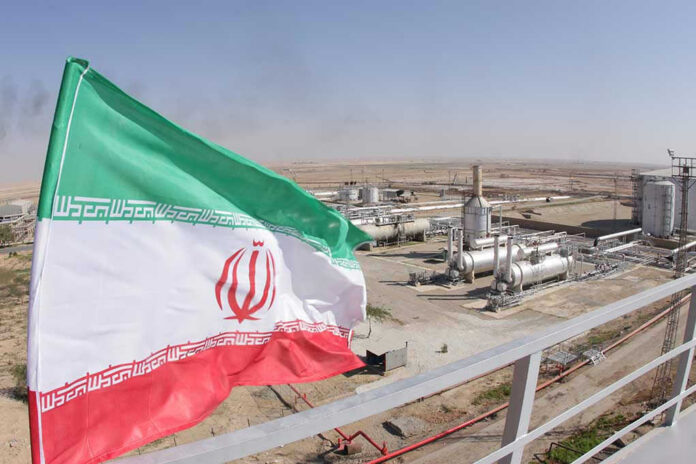
Israeli forces struck Iran’s South Pars natural gas field and associated facilities in Bushehr Province on March 18, expanding the conflict from military targets to economic infrastructure. South Pars is linked to the world’s largest gas field system, shared with Qatar’s North Dome, and its importance to global LNG makes it a pressure point for markets. Reports described sharp price reactions as traders weighed the risk of wider supply disruption.
Iran responded with retaliatory strikes aimed at energy sites across the region, including Qatar’s Ras Laffan LNG facility and targets in Kuwait and the UAE, while also launching missile waves at Israel. The immediate takeaway for energy consumers is straightforward: once major infrastructure is in play, even limited damage can trigger outsized price moves because shipping routes, insurance costs, and contingency shutdowns all tighten supply expectations.
Trump Draws a Red Line: Protect Gulf Allies, Limit Market Chaos
President Trump publicly denied prior knowledge of the South Pars strike and used his platform to warn there would be no more attacks on the gas field unless Iran escalated against Qatar. Netanyahu later confirmed Israel is “holding off” further attacks on South Pars at Trump’s request, signaling U.S. leverage over Israeli operational decisions when the economic stakes widen beyond the battlefield into global energy flows.
That posture reflects a practical constraint conservatives recognize: America can support allies and still reject open-ended escalation that punishes U.S. households with higher fuel and heating costs. The reporting also framed U.S. objectives around degrading Iran’s missiles, navy, and defense-industrial base rather than expanding a tit-for-tat campaign against energy assets. Even with that restraint, the situation remains volatile because Iran has shown it can raise costs by threatening clustered infrastructure.
Why South Pars and the Gulf LNG Network Matter to Americans
South Pars/North Dome sits at the center of a supply web that feeds LNG buyers in Europe and Asia, and reporting cited the field system as a major share of global LNG. When strikes hit nodes like Ras Laffan or when evacuations and shutdowns ripple through the Gulf, the effects don’t stay local. Reduced output, delayed shipments, and higher risk premiums can quickly feed into global benchmark prices that influence what Americans pay.
The research also highlighted broader choke points: the Strait of Hormuz, Iranian export hubs, and major Gulf fields and processing sites. Those are not abstract map points; they’re the arteries of global energy trade. In practical terms, even if U.S. production remains strong, globally traded oil and gas prices still respond to perceived shortages and shipping threats—especially when headlines suggest infrastructure could be repeatedly targeted.
Escalation Risks and What’s Known—And Not Yet Verified
Reports described ongoing military escalation alongside the pause on additional South Pars strikes, including a U.S. announcement of its largest strike package yet against Iranian military sites. They also described multiple Iranian missile waves, with many intercepted, and cited uncertainty about the full scale of damage to energy facilities. That uncertainty matters: markets often react to risk and incomplete information faster than governments can confirm details.
Politically, the episode underscores a central tension: Israel’s unilateral action can create immediate economic consequences that the United States then has to manage, especially when allies like Qatar are pulled into the crossfire. From a limited-government, America-first perspective, the clearest priority is defending U.S. interests—protecting allies and shipping lanes while avoiding needless escalation that fuels inflation and erodes domestic stability through price shocks.
Israel to hold off striking Iran gas field as war rattles energy markets https://t.co/31dzAo56ef via @YouTube
— mike kura (@mike_kura) March 20, 2026
For now, the most concrete development is Netanyahu’s confirmation that Trump requested a hold-off on further South Pars attacks—and Israel’s agreement to pause. That is not the end of the conflict, but it is a signal that the administration is trying to keep the war from expanding into a sustained campaign against energy infrastructure. The next test will be whether Iran continues regional strikes and whether deterrence holds around Qatar and Gulf export capacity.
Sources:
Live Updates: Iran war escalates, energy prices spike after Israeli strike on South Pars gas field