
A Utah judge just blocked a defense attempt to sideline prosecutors in the Charlie Kirk murder case—keeping a politically explosive death-penalty prosecution on track.
Quick Take
- Judge Tony Graf denied Tyler Robinson’s motion to disqualify the Utah County Attorney’s Office, rejecting claims of a prosecutorial conflict.
- The defense focused on lead prosecutor Chad Grunander because his adult daughter witnessed the shooting but testified she did not record it and didn’t know Kirk was the victim until later.
- Robinson faces aggravated murder and related charges tied to the Sept. 10, 2025, sniper-style killing of Turning Point USA founder Charlie Kirk at Utah Valley University.
- Prosecutors have signaled intent to seek the death penalty, citing allegations of political motivation and the presence of children at the event.
Judge rejects prosecutor disqualification bid
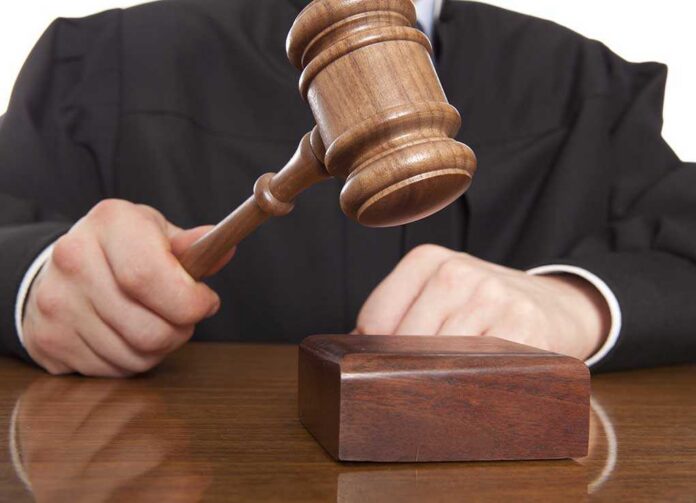
State District Judge Tony Graf ruled via WebEx that Utah County prosecutors will remain on the case against Tyler James Robinson, the 22-year-old accused of killing conservative activist Charlie Kirk at a campus rally. The defense had argued that a conflict existed because deputy county attorney Chad Grunander’s adult daughter was present during the shooting. Graf delivered an oral ruling denying the request, with a written order expected later.
That conflict claim turned largely on what the daughter did and didn’t do during the chaos. She testified that she did not record video of the shooting and did not realize at the time that Kirk was the victim. The judge’s decision keeps the existing prosecution team intact, reducing the odds of major delays that can come when a court orders an entire office removed and a new team has to rebuild the case.
What the court fight reveals about fairness concerns
Robinson has not entered a plea in the reporting summarized in the provided materials, and the case remains in a pretrial posture with key evidence issues still looming. Reports indicate that full shooting videos have been withheld from public release as part of efforts to protect fair-trial rights. The defense’s broader strategy, as described, includes challenging evidence and raising procedural issues—common tactics in high-stakes cases, especially when the state is pursuing capital punishment.
From a rule-of-law standpoint, the judge’s denial does not decide guilt or innocence, but it does signal that the court did not see a legal basis—based on the record presented—to treat the prosecutor’s family connection as disqualifying. Courts generally balance two competing principles here: avoiding even the appearance of compromised judgment, and preventing strategic removals that can be used to slow-walk justice. This ruling favored continuity while leaving the defense free to contest evidence in future hearings.
Timeline of the killing and how the suspect was caught
Investigators allege Robinson took a position on a rooftop at Utah Valley University in Orem, Utah, on Sept. 10, 2025, and fired a single shot that killed Kirk during a rally attended by roughly 3,000 people. The distance has been reported with some variation across sources, but the consistent description is a long-range, sniper-style attack. The next day, after a manhunt lasting about 33 hours, Robinson surrendered after his parents recognized him from released images.
Death penalty posture and why it matters
Prosecutors have stated their intent to seek the death penalty, citing aggravating factors described in the reporting, including allegations of political motivation and the presence of children at the event. Robinson is reported held without bail in the Utah County Jail as the case proceeds. Because capital cases invite heightened scrutiny at every step, procedural fights—like the effort to disqualify prosecutors—can be expected, and each ruling shapes how quickly and cleanly the case moves toward trial.
For conservatives still angry about an era when political violence was too often downplayed or rationalized, the key fact is straightforward: the justice system is still working through the facts under courtroom rules, not social-media narratives. The judge’s decision keeps the same office in place, which may help the case advance without a restart. Limited additional details—such as a final trial date and full public evidence releases—are not yet available in the provided research.
Sources:
https://www.fox35orlando.com/news/charlie-kirk-murder-judge-ruling-prosecutors-case
https://en.wikipedia.org/wiki/Assassination_of_Charlie_Kirk
https://www.livenowfox.com/news/charlie-kirk-murder-judge-ruling-prosecutors-case