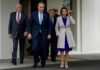


Nvidia’s board opened an independent investigation after Jensen Huang admitted an affair with a woman U.S. reports link to Chinese intelligence, while saying it has no evidence company or national secrets were compromised.
Story Snapshot
- Nvidia formed an independent board committee with outside counsel to investigate.
- The board says it has no reason to believe Nvidia or national secrets were exposed.
- House Republican chairs requested a closed-door briefing on security protocols.
- Public reports cite classified surveillance but show no proof Huang shared information.
What Nvidia Confirmed And What It Is Probing
Nvidia said its board created a committee of independent directors, with outside counsel, to review the matter. The company stated it has no reason to believe national security or company secrets were compromised, while pledging to examine all available information. This framing is careful and qualified. It does not claim to have completed a forensic review. It signals a duty to investigate a sensitive risk without asserting facts that have not been proved yet.
Media reports said Huang acknowledged an extramarital relationship, which sparked scrutiny because the woman, identified as Alice Huang, was described in intelligence reporting as tied to China’s Ministry of State Security. Reports said the intelligence aimed to learn about advanced chips and possibly influence Nvidia’s China policy. None of the stories cited public evidence that Jensen Huang shared protected information, and one report said there was no evidence he knew of intelligence activities.
Congressional Demands For Answers, Behind Closed Doors
Three House Republican committee chairs asked Huang to brief them behind closed doors. Their letter focused on his interactions with Alice Huang and Nvidia’s internal safeguards against foreign espionage. The request shows bipartisan pressure building in Washington, where both parties warn about Chinese access to advanced United States technology. A closed-door format may allow classified details, but it also limits public visibility. That can feed doubt across the spectrum.
Reporters described a classified memo based on electronic surveillance of Alice Huang, a business executive connected to firms that sought Nvidia’s most advanced chips. Stories said United States intelligence linked her to China’s spy service and identified Jensen Huang as a contact. These accounts are based on unnamed sources and secret files. That means the public cannot verify what, if anything, was taken. The gap between headlines and hard proof remains.
Why This Matters To Both Main Street And Wall Street
Nvidia sits at the center of the artificial intelligence race. Its chips power data centers, consumer tools, and defense projects. Any doubt about its security culture can shake markets and policy. Lawmakers want to know if insider risk controls worked. Voters want to know if elites follow rules they set for others. Nvidia’s careful statement tries to steady both worlds, but it will need evidence to close the trust gap.
Nvidia’s board has launched an independent investigation after reports that CEO Jensen Huang was targeted by a foreign intelligence effort.
Huang acknowledged an extramarital relationship with an executive at Megaspeed, a Singapore-based customer, whom U.S. officials reportedly… pic.twitter.com/GalPAjKr4k
— MojoTrick (@MojoTricks) November 9, 2026
Both conservatives and liberals see a pattern: private power tied to public risk, and answers arriving only after press leaks and political heat. That frustration is real. The path forward is plain and testable. Nvidia’s board should release a thorough report when the review ends. Congress should match tough questions with clear, public summaries that protect secrets but explain methods and findings. Sunlight, not spin, will rebuild confidence.
What To Watch Next
First, watch whether Nvidia discloses the scope of its probe. Key facts include which devices, messages, and access logs are reviewed, and by whom. Second, watch whether Congress keeps the matter in a closed setting or moves to hearings. Third, watch for any official correction from agencies named in reports. Finally, watch markets for signs investors accept Nvidia’s controls or price in new compliance costs and export risks.
Sources:
finance.yahoo.com, cnbc.com, abcnews.com, axios.com, politico.com, nytimes.com, nbcnews.com
© unitedfrontnews.com 2026. All rights reserved.