

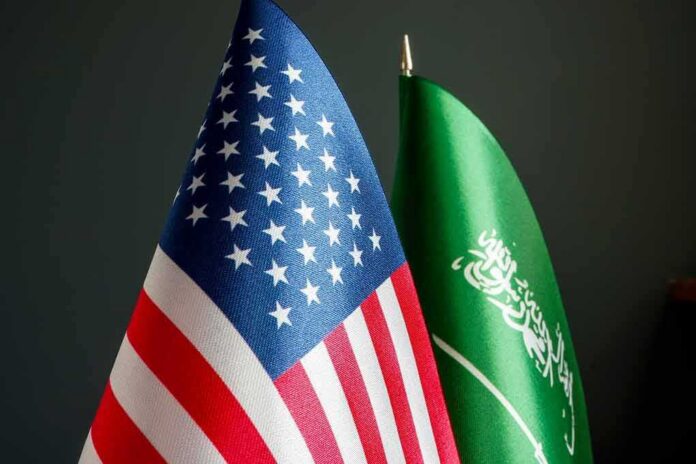
President Trump approved a U.S.–Saudi nuclear deal that could allow uranium enrichment through 2056, tightening ties while testing global nonproliferation limits.
Story Snapshot
- The deal enables U.S. technology in Saudi reactors and opens a path to domestic enrichment.
- The White House says added safeguards target the riskiest fuel-cycle steps.
- Key terms, including inspections and consent rights, remain partly unclear.
- Supporters cite U.S. oversight; critics see weaker guardrails and higher risk.
What Was Signed And Why It Matters
U.S. officials said President Trump approved a civil nuclear cooperation agreement with Saudi Arabia, setting a partnership that could run to 2056 and anchor American firms in the kingdom’s reactor buildout. The agreement, often called a “123 deal,” is the legal path for U.S. exports and services in a foreign nuclear program. The administration argues that if the United States leads the project, safety rules improve and leverage over sensitive steps increases. Supporters frame it as energy, jobs, and influence.
Reporting indicates the deal leaves room for Saudi Arabia to enrich uranium domestically, a step that can support fuel but also shortens the path to weapons if misused. The White House described extra safeguards and verification focused on enrichment, conversion, fuel fabrication, and reprocessing, the most sensitive parts of the nuclear fuel cycle. These pledges aim to show that any Saudi enrichment, if it occurs, stays under strict monitoring and consent. The final text still has not been fully released to the public.
Nonproliferation Guardrails And The Known Gaps
U.S. law sets nine core conditions in such agreements, including lifetime safeguards, strict security, and U.S. consent rights before enrichment or reprocessing of U.S.-obligated material can occur. Past audits found U.S.–Saudi talks often stalled over these conditions, especially enrichment and stronger inspections. Analysts say the baseline questions are familiar: Will Saudi Arabia accept tougher inspection tools, and are enrichment and reprocessing banned, consent-based, or simply managed with added checks?
Some coverage says Washington relaxed earlier demands that would have blocked enrichment and required rapid international inspections, arguing that deeper U.S. industry involvement can offset risk. Critics warn that easing these guardrails creates a model others may copy and could fuel a regional arms race if rivals respond in kind. Advocates counter that keeping the United States at the center of Saudi plans is better than ceding the space to suppliers with looser standards. The clash reflects a long-running tradeoff between influence and ironclad limits.
How This Deal Compares To The “Gold Standard”
Only a few prior agreements, like those with the United Arab Emirates and Taiwan, include a binding pledge to forgo both enrichment and reprocessing across the board. Early briefings on the Saudi text suggest it does not copy that model. Instead, it leans on additional measures and consent rights, while leaving some room for future fuel-making steps under oversight. That design aligns with the administration’s view that targeted controls can manage risk while unlocking major commercial and strategic gains.
Energy officials highlight that the joint declaration and the agreement pave the way for American technology, services, and fuel supply to shape Saudi Arabia’s nuclear sector from the start. They argue this approach embeds U.S. safety culture and creates decades of visibility into key facilities and materials. Detractors point to the lack of full transparency so far and want clear answers on inspections, limits on stockpiles, and any triggers that would halt cooperation if terms are breached. Congress will likely press for those details.
Why Both Sides Of The Aisle Are Watching Closely
Members of both parties, and many voters, distrust large, opaque deals that expand elite power while leaving public risks on the table. This agreement touches energy prices, jobs, Middle East stability, and the spread of dangerous technology. Lawmakers have urged the administration to prevent an arms race and to protect U.S. consent rights that stop sensitive work without approval. The Government Accountability Office has also flagged confusion in past interagency roles, underscoring the need for clear management now.
U. S. Foreign Policy must be adopting the idiotic theory that the only thing that stops a Shia Islam theocracy with a bomb is a Sunni Islam absolute monarchy with a bomb. #ETTD
Coveted U.S. Nuclear Deal Is a Coup for Saudi Crown Prince https://t.co/uMmbYgzKGH
— Spence Williams (@beoduck) July 22, 2026
The stakes are high for national security and the economy. If the safeguards work as advertised, the United States can guide a major program, grow its nuclear supply chain, and keep closer watch on enrichment. If the guardrails prove thin, the region could face new risks and the United States could own the fallout. Until the full text is public, the central test remains simple: do the promised checks match the power this deal hands to Washington and Riyadh?
Sources:
humanevents.com, abcnews.com, armscontrol.org, newsmax.com, reuters.com, energy.gov, docs.house.gov, fdd.org, lawfaremedia.org, thebulletin.org
© unitedfrontnews.com 2026. All rights reserved.