

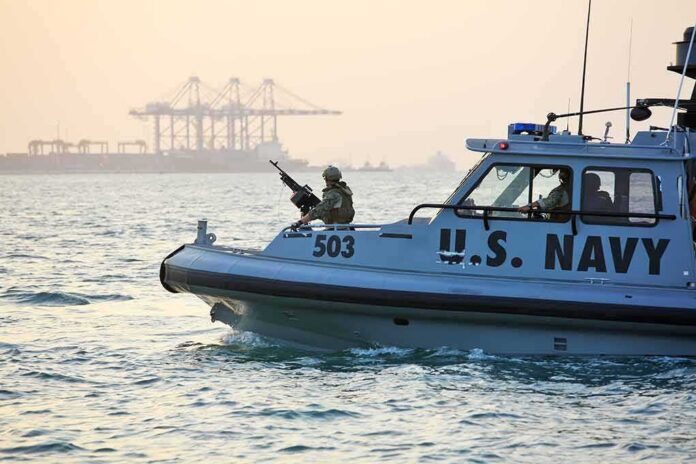
Somali pirate attacks have spiked as war tensions in the region pull naval patrols away from the Gulf of Aden, reopening one of the world’s most vital sea lanes to hijackers.
Story Highlights
- Attacks off Somalia have re-emerged after years of decline, with clusters reported since 2024.
- War-driven patrol shifts toward the Red Sea created gaps pirates are exploiting, experts say.
- Ships have been hijacked and crews held, reviving ransom risks and higher shipping costs.
- Analysts warn the threat could spread offshore if coordination and resources lag.
What Changed At Sea Since 2024
International reporting shows Somali piracy picking up again starting in 2024, after a long quiet stretch. Analysts link the rise to changing security patterns across the Western Indian Ocean. A peer-reviewed analysis notes an upward trend since 2024, continuing into 2025, and flags concerns about a broader resurgence. This is not yet the high-seas crisis seen a decade ago. But the pattern is clear: when patrols thin and routes shift, pirate groups test the waters again.
Regional wars have reshaped where warships go and what missions they prioritize. Naval forces focused more on the Red Sea and Bab al-Mandeb Strait to counter attacks tied to the wider conflict, according to expert coverage. That pull has left gaps farther south near Somalia. Analysts say these gaps created windows that pirate groups are now using to stage hijackings and armed boardings near key shipping lanes.
Evidence Of Renewed Hijackings And Risk
Field reporting from the Western Indian Ocean points to seized vessels and hostage incidents. Security monitors in the region said dhows and larger merchant ships were targeted in April and May, with some crews held for ransom. In response, the Joint Maritime Information Center raised the piracy threat level to severe, signaling real risk to ships and mariners. These actions echo tactics from the last piracy wave, including multi-ship operations launched from the Somali coast.
Industry and nonprofit trackers add data to this picture. The International Maritime Bureau’s quarterly tallies show piracy and armed robbery pressures moving up and down across regions in recent years. The broader lesson stands: even when totals fall for a quarter, local spikes can surge fast when deterrence fades. This is why many ship owners are again hardening crews, updating route plans, and weighing insurance costs that can hit every consumer through higher prices.
Why Pirates Saw An Opening Now
Experts point to layered causes rather than one trigger. Naval diversion to conflict zones weakened day-to-day deterrence near Somalia’s long coastline. Local economic strain, including in Puntland, also matters as some men turn to the sea for quick cash. Reports cite anger over foreign overfishing in Somali waters, which harms livelihoods and feeds recruitment stories. Together, these pressures made ransom crimes seem possible again for networks with boats, guns, and know-how.
Asia Unpacked | 11 September 2026
A big week across Asia and beyond. Here’s what you need to know:
⛓️ Iran War Puts BRICS’ Unity to the Test
🫱🏽🫲🏾 Xi-Modi Thaw Faces a Trust and Trade Test
🏴☠️ War Disruptions Fuel Resurgence in Somali Piracy pic.twitter.com/Wv4S3tBXN9
— Asian Strategy & Leadership Institute (ASLI) (@asli_myofficial) September 11, 2026
Counter-piracy lessons from the last decade still apply. Coordinated patrols, shared intelligence, and armed teams on high-risk ships helped beat back the old wave. Analysts warn that piecemeal steps will fall short if pirate action groups regain offshore reach. They argue for joint efforts by naval forces, shipping firms, insurers, and Somali authorities. Without that, isolated raids can turn into a wider pattern that raises costs for trade and risk for crews.
What This Means For Americans
Americans feel rising costs when global shipping slows or reroutes. The Gulf of Aden carries goods, fuel, and key parts. When pirates strike, ships delay or detour around Africa. That burns more fuel and time, and those costs pass to buyers. Families already stressed by inflation do not need another shock. The longer wars and security gaps persist, the more likely higher prices and supply delays will reach small towns and big cities alike.
People across the political spectrum worry that leaders react late to known risks. The last piracy wave took years and billions to contain. Clear goals, steady patrol coverage, and serious support for coastal law enforcement worked before. The same mix can work now if it starts early. Strong oversight can make sure money goes to real results on the water, not to waste or contractors, so taxpayers see value and ships stay safe.
What To Watch Next
Watch whether naval patrol density rises in the Gulf of Aden and Somali Basin. Look for joint alerts from maritime information centers, which often signal better coordination. Track if hijackings move farther offshore, which would show stronger pirate logistics. And watch insurance rates for ships using the Suez route. Those numbers reveal how serious the market thinks this threat is, and how much extra cost might soon hit consumers.
Sources:
zerohedge.com, cnbc.com, cnn.com, bbc.com, lloydslist.com
© unitedfrontnews.com 2026. All rights reserved.