
Washington kept the Iran naval blockade in place and expanded interdictions after the midterms, raising both pressure and the risk of miscalculation.
Story Snapshot
- The United States maintained a naval blockade on Iran and added Task Force Iron Gate to disrupt land routes.
- President Trump said large-scale escalation was “unlikely,” yet pressure operations continued.
- Iran warned of harsh retaliation but offered a deal tied to ending the blockade and releasing assets.
- Officials argued the blockade hurts Iran’s economy and can limit the need for new strikes.
What Washington Did After The Midterms
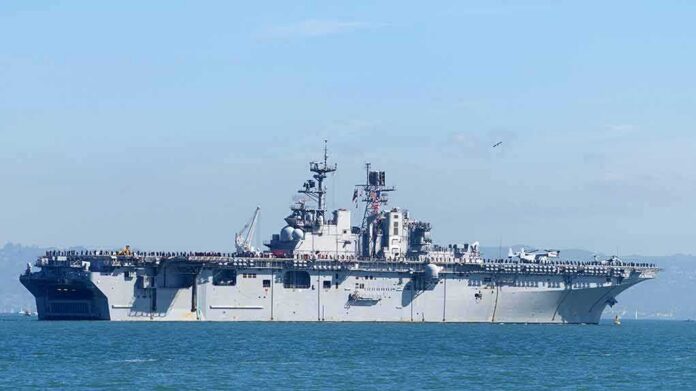
United States officials kept the naval blockade on Iranian ports after the election and widened enforcement. Central Command announced Task Force Iron Gate to target overland trade and help the blockade at sea. The move aimed to cut Iran’s revenues and restrict its shipping options. Reports say the pressure track stayed in place even as talks were floated. This mix of measures suggested a strategy to coerce without returning to major bombing campaigns.
President Trump told reporters that further escalation was “unlikely,” and that there was no reason to renew large-scale attacks. At the same time, the administration held firm on the blockade and economic pressure. This split message signaled caution in public while keeping leverage in place. Supporters framed the approach as a way to buy time for a potential deal while squeezing Iran’s finances and slowing its military recovery.
How Tehran Responded And What It Offered
Iran’s foreign minister warned that if the United States resumed wide attacks, Iran’s “battle-hardened” forces would strike back. The message came with a proposal: suspend hostilities and open the Strait of Hormuz if the United States ended the blockade and released frozen Iranian assets. These linked demands showed that Tehran views the blockade as central to the conflict, not as routine sanctions. The mix of threat and diplomacy raised both hope and danger at once.
Analysts who oppose the blockade called it an act of war and said it makes renewed fighting more likely. They argued that interdictions on sea and land increase friction, invite accidents, and strain back-channel talks. They also warned that assuming Iran will absorb economic pain without reacting is risky. However, the legal claim that a blockade is an “act of war” was presented without a cited treaty or court opinion in the reporting provided.
Why The Strategy Divides Americans Across Politics
Secretary of State Marco Rubio said sanctions and the blockade were inflicting growing economic damage on Iran and reducing the need for new major combat. Supporters described the pressure as an instrument to weaken the government’s ability to fund armed groups, not an end in itself. They argued that cutting trade and revenue could push leaders toward a deal. Critics replied that economic pain often hardens a regime, and that pressure without a clear off-ramp can backfire.
Trump Chooses a Third Path on Iran: Economic Strangulation Over War or Deal
* Axios
When Secretary of State Marco Rubio met his G7 counterparts in Paris on Tuesday, he told them President Trump had considered either resuming the war with Iran or striking a deal—but settled on a…
— mahmoud khalil (@sahel2212) November 11, 2026
Research on sanctions shows they hit hardest early, then targets adapt. Studies of Iran across decades report large economic costs but limited success on core strategic goals. Those findings do not decide today’s case, but they set a caution flag. Coercion often works best when demands are narrow, timelines are clear, and a credible exit is offered. Washington and Tehran both sent mixed signals, which can blur those pathways and lengthen the standoff.
What To Watch Next: Risk, Restraint, And Real Off-Ramps
Escalation risk rises where ships, planes, and armed patrols interact in tight spaces. The blockade and new interdictions increase those contacts. One error or misread signal could break the pause in fighting. The safest steps would pair verifiable economic relief with verifiable security limits, staged in lockstep. If either side tries to pocket gains while stalling on its own moves, trust will collapse, and pressure will likely replace talks again.
Sources:
theamericanconservative.com, iranintl.com, axios.com
© unitedfrontnews.com 2026. All rights reserved.