

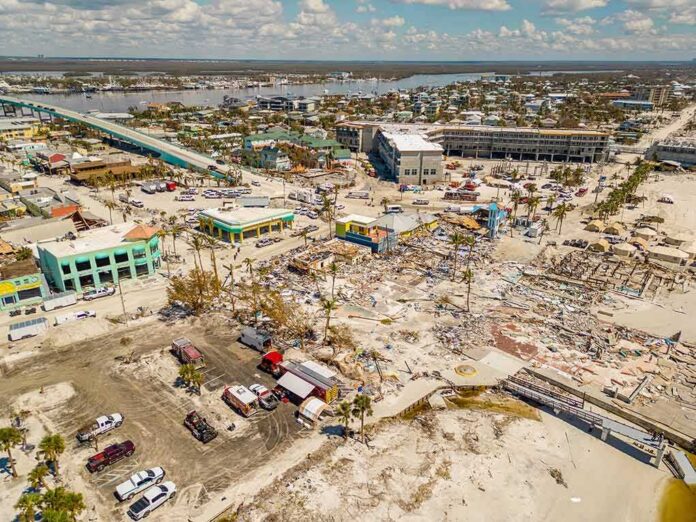
A 7.7 earthquake in the Sulawesi Sea forced Indonesia to sound tsunami alarms and rush coastal evacuations before the warning was lifted.
Story Highlights
- Indonesia’s quake measured magnitude 7.7 and struck offshore before dawn.
- Authorities issued a tsunami early warning and urged people to move inland.
- Tsunami waves under one meter were recorded in several areas, then levels normalized.
- Officials later ended the warning after sea levels stabilized.
Powerful Quake Triggers Early Tsunami Warning
Indonesia’s geophysics agency reported a powerful offshore quake around local dawn, sending strong shaking across parts of eastern Indonesia. The European-Mediterranean Seismological Centre measured it at magnitude 7.7, with several aftershocks that followed soon after. The Meteorology, Climatology, and Geophysics Agency issued an early tsunami warning, directing people along exposed coasts to stay off beaches and move to higher ground while sea levels were tracked in real time. Initial reports described rapid evacuations in several towns.
Officials reported small tsunami waves under one meter in several locations, consistent with an offshore source that did not fully drive water onshore. Tide gauges and coastal monitors helped confirm when seas began to settle. As measurements returned to normal, the agency reduced the alert. The focus then shifted to checking for injuries, power outages, and building damage in areas that felt the strongest shaking, including islands closest to the epicenter.
Warning Lifted As Seas Normalize
Indonesia’s Meteorology, Climatology, and Geophysics Agency later announced the tsunami warning had ended after sea levels stabilized. The update signaled that the immediate flood risk had passed and that people could return with care to coastal areas. Authorities still urged residents to watch for aftershocks, which are common after a major quake. Local teams began surveying ports, bridges, and hospitals to assess any damage and to restore services where needed.
Indonesia’s response followed global best practice: warn early, verify with gauges, then clear people to return when the data show the danger has eased. That conservative approach can create short-lived disruptions, but it saves lives when water rises fast. History in Indonesia shows what happens when warnings come too late or end too soon, such as during the 2018 Palu disaster, which spurred calls to strengthen alert systems and local communication.
Why This Matters For Coastal Safety
Indonesia sits on the Pacific “Ring of Fire,” where plates grind and slip, making strong quakes and tsunamis a regular risk. Early warnings work only if people know where to go and how to get alerts quickly. That means cell networks, loudspeakers, radio, and clear local plans all matter. Today’s event showed progress: a fast alert, measured guidance, and a clean all-clear once seas calmed. That cycle builds trust the next time alarms sound.
🚨 BREAKING: Magnitude 7.7 earthquake hits eastern Indonesia
• At least 20 people killed
• Dozens of aftershocks reported
• Rescue operations ongoing
• Tsunami warning later lifted
Reuters
Source: Reuters#BreakingNews #Indonesia #Earthquake #WorldNews pic.twitter.com/125fqv2MM2— SanviUpdates🌏 (@SanviUpdates) August 15, 2026
For readers in the United States, this is a reminder that coastal readiness is a shared job. Agencies need working sensors and clear messages. Communities need drills, marked routes, and backup power. Families need simple plans: know the nearest high ground and move fast after strong shaking. Indonesia’s experience underscores a basic truth that crosses politics and borders: when systems are funded, maintained, and honest about risk, people get the warning they need to live another day.
Sources:
independent.co.uk, en.antaranews.com, rri.co.id, rmb.reuters.com, indonesianpost.com, kfgo.com
© unitedfrontnews.com 2026. All rights reserved.