

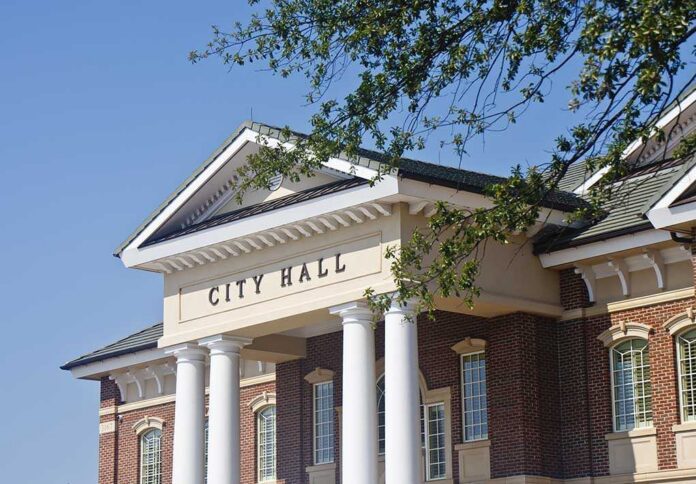
A former Arcadia mayor pleaded guilty to acting as an illegal agent of China, and her city is now moving to lock its doors against foreign influence.
Story Snapshot
- Eileen Wang admitted she acted as an illegal agent for China between 2020 and 2022.
- Arcadia leaders began drafting rules, training, and tighter controls on foreign contacts.
- City records show moves toward a formal policy requiring council approval for any foreign engagement.
- Residents split between demanding safeguards and fearing anti-Asian backlash.
What triggered Arcadia’s push for new guardrails
Federal filings and news reports state that former Arcadia Mayor Eileen Wang agreed to plead guilty to acting as an illegal agent of the Chinese government. Reporting describes foreign-directed messaging tied to a website and public content between 2020 and 2022. The case centers on undisclosed direction from officials of the People’s Republic of China, not on proven bribery or city votes. Wang’s plea gave city leaders a clear, documented trigger to review ethics and foreign-contact practices.
City officials then said they would develop safeguards to reduce foreign influence risk. Leaders discussed training for staff and elected officials, tighter oversight of ceremonial ties, and clear rules for any dealings with foreign governments or officials. Proposed steps included more scrutiny of requests for certificates and events, and an official policy for engagement protocols. These measures aim to help local leaders spot influence efforts that may arrive through soft channels, not just money or pressure.
What the city says the case did and did not touch
Arcadia’s public statement said no city finances, staff, or decision-making were involved in the conduct at issue. That point matters. It suggests the response is preventive, not a cleanup of corrupted votes or diverted funds. The strongest described conduct involves propaganda sharing and undisclosed work. That is still illegal, but different from a classic bribery case. The limited scope may also explain why officials focused on training and clear rules rather than broad internal audits.
The plea materials and related reports describe directed messaging that can be hard to spot without training. They say Wang promoted interests of the People’s Republic of China and failed to notify the United States Attorney General as required by law. That pattern supports the argument for teaching local officials how to recognize influence tactics. Information operations often seek legitimacy through access, ceremonies, and media posts rather than direct policy edits or budget changes.
From talk to action: the first formal steps
City meeting minutes show Arcadia moved beyond talk toward a codified rule. On July 21, 2026, the council directed staff to establish a policy that would prohibit engagement or involvement with foreign governments or foreign officials on behalf of the city without council approval. That shift puts elected members, in public, on the record for any such contact. It raises the bar for access and creates a paper trail the public can review later.
This approach fits a wider pattern in foreign influence cases at the local level. Even where no budgets or votes were touched, access and messaging still matter. Local leaders can grant status, open doors, and shape what the public sees. Training and approval rules aim to keep that power inside clear guardrails. The goal is not to block cultural exchange. It is to make sure any contact that could carry a political aim gets sunlight and a formal review.
The community split: vigilance without stigma
Residents voiced two strong and competing concerns. Some want tougher rules now, citing national security and the risk of quiet influence. Others fear a backlash that unfairly targets Chinese and Asian American neighbors. Reporters quoted residents who worry they will face new suspicion after the plea. That tension is real and local leaders will need to balance vigilance with fairness to avoid turning a governance fix into social division.
Eileen Wang: Arcadia mayor for 3 months.
Feb 2026 → May resigns after pleading guilty as China’s unregistered agent.
Ran CCP propaganda site w/ fiancé (doing 4 yrs). $25k bond, faces 10 yrs.
Local politics: foreign influence free-for-all. 🇨🇳🇺🇸pic.twitter.com/w7s4gebJHW
— Jewels Jones ® (@JewelsJonesLive) August 19, 2026
The clearest path forward is process, not panic. Arcadia’s plan centers on training, documented approvals, and oversight of ceremonies. Those steps help stop covert influence while protecting open cultural life. The public facts remain limited: no proof of city funds misused, no city decisions changed. But the admitted conduct still exposed a blind spot. Transparent rules can close it. That is basic good government, and it serves everyone who wants a city hall that answers only to its voters.
Sources:
feedpress.me, latimes.com, en.wikipedia.org, dailybulletin.com
© unitedfrontnews.com 2026. All rights reserved.