
Indonesia’s Independence Day turned somber as officials confirmed 68 people died after a magnitude 7.7 earthquake struck the eastern region.
Story Snapshot
- Officials reported 68 deaths and over 200 injuries after the magnitude 7.7 quake.
- Fatalities were spread across seven districts, showing wide regional impact.
- Thousands sought temporary shelter as homes and roads were damaged.
- The disaster response unfolded as the country marked its 81st Independence Day.
Confirmed Toll and Where People Were Hit Hardest
Indonesia’s National Disaster Management Agency said 68 people died after the magnitude 7.7 quake shook East Nusa Tenggara province. The agency reported 213 injuries as of its latest update. Officials said deaths were recorded in seven districts, led by Manggarai and East Manggarai. Those areas saw the most severe loss of life, while other districts reported smaller, yet significant, numbers. The official count rose over several days as teams reached more villages and confirmed reports.
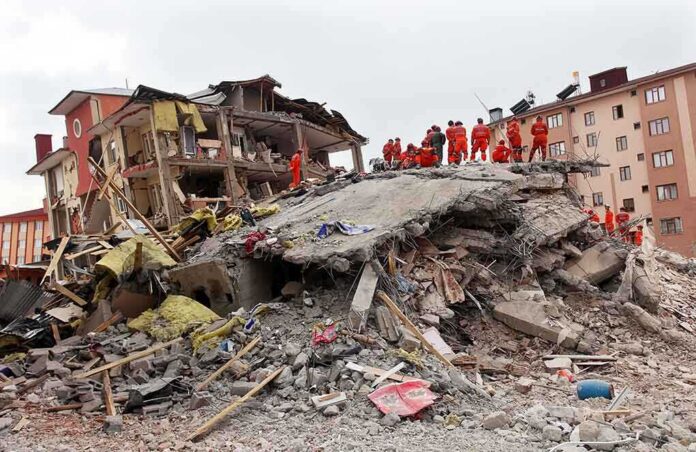
Agency data showed the dead included 26 people in Manggarai and 24 in East Manggarai. Nagekeo recorded eight deaths, Sikka reported four, and Ende, West Manggarai, and Ngada each reported two. This spread points to strong shaking across the Flores corridor and nearby islands, where roads are narrow and hillsides are prone to slides. Search teams focused on collapsed homes and blocked hamlets, where damaged roads slowed access and verification.
Injuries, Displacement, and Damage Snapshot
Reporters on the ground cited officials saying thousands of people moved into temporary shelters after the quake. Aid groups and local offices reported damaged homes, blocked roads, and landslides. Early tallies counted hundreds of damaged buildings and at least 135 injuries, figures that climbed as assessments advanced. People queued for clean water, tarps, and medical help while aftershocks kept nerves high and made some structures unsafe to enter for checks or repairs.
The timeline overlapped with Indonesia’s 81st Independence Day, which added urgency and attention to the response. Reuters reported that search operations continued into Monday after the Saturday quake, with ceremonies proceeding as responders worked. The holiday drew national focus to the victims and the response effort, but it also strained logistics as authorities balanced ceremonies with emergency needs in the affected districts.
Why Early Numbers Changed and What That Means
Initial death and injury counts were lower, then increased as rescuers reached isolated areas and confirmed reports from clinics and families. National and local agencies follow a standard process to collect, check, and update disaster data over time. That is why the tally moved from dozens to the higher confirmed count. In fast-moving crises, this step-by-step update is normal, even though it can feel jarring to readers watching the numbers shift day by day.
🇮🇩 Indonesia celebrated its Independence Day today, with thousands of its citizens still waiting for help.
A magnitude 7.7 earthquake struck off the coast of Flores Island in East Nusa Tenggara province on Saturday, killing at least 53 people and injuring 135. It is the…
— Data Explained (@dataexplain) August 17, 2026
For families, the numbers are not abstract. Rising counts reflect the hard work of locating people, clearing roads, and verifying identities. For leaders and the public, this event is a reminder that strong quakes still test infrastructure and planning. The shared priority now is restoring access, supporting local clinics, and speeding shelter and repair supplies. Clear data and steady aid matter most in the first weeks, when small delays can turn damage into lasting loss.
Sources:
reuters.com, internazionale.it, en.tempo.co, en.antaranews.com
© unitedfrontnews.com 2026. All rights reserved.