

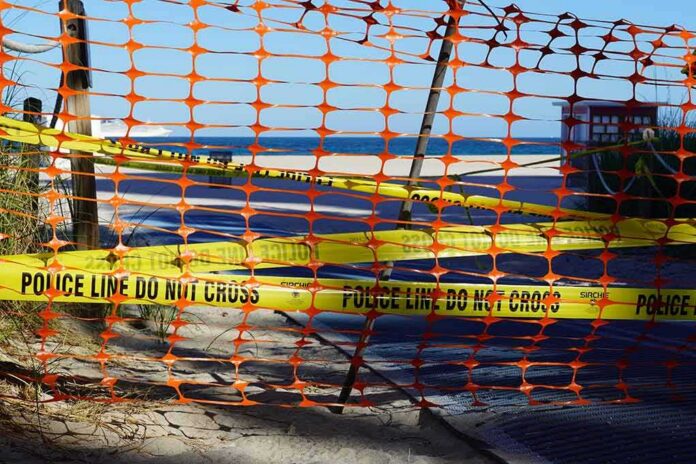
California’s first-ever West Coast sea turtle nests now sit yards from the Pacific Airshow window, forcing a clash between conservation rules and a major civic event.
Story Snapshot
- Two rare sea turtle nests were fenced and put under round-the-clock monitoring in Orange County.
- Officials warned the public to keep away as the 45–60 day incubation overlaps the airshow dates.
- City leaders and organizers rerouted ground activity, while keeping the flight schedule unchanged.
- The mayor said the protected zone sits outside the main airshow footprint, easing pressure to postpone.
What Happened: Historic Nests Meet a Packed Event Calendar
National Oceanic and Atmospheric Administration (NOAA) officials and local partners confirmed two olive ridley sea turtle nests in Orange County in mid-September. One is near Seal Beach, and one is near Huntington Beach Pier, both fenced and posted with signs. NOAA called the discovery the first recorded natural nesting by any sea turtle on the United States West Coast, which raised conservation stakes and public interest. The timing landed days before the Pacific Airshow’s early October dates, creating an immediate test for planners.
NOAA and local responders placed the nests under protection and began continuous monitoring. Officials urged beachgoers to steer clear so the eggs have the best chance to hatch. NOAA said olive ridley incubation typically lasts 45 to 60 days, which stretches well past the airshow window. That overlap drove calls from some advocates to delay or scale back the show. The city and event team instead chose to tighten buffers and adjust how crowds move on the sand.
City Response: Mitigation Over Postponement
Huntington Beach Mayor Casey McKeon said the city worked with NOAA on a protective area estimated at 50 by 50 feet. He said the zone sits outside the main airshow footprint. Organizers and city officials shifted pedestrian routes, vendor booths, and attractions away from the protected spots. They kept fencing and signs in place and coordinated with state and federal partners. The flight schedule remained unchanged in public updates, reflecting a “protect and proceed” stance rather than a delay.
This approach fits a common playbook for beach events near wildlife sites. Agencies often start with fencing, signs, and monitoring, then add routing changes if needed. Postponement usually comes only when an event directly overlaps a sensitive zone or when risks exceed what buffers can handle. Here, officials point to distance, barriers, and the managed footprint as reasons to continue. That position may hold unless new data show higher risk than expected during the incubation window.
What We Know — And What We Don’t
Reporters described two nests placed under protection, but it remains unclear whether one turtle or two laid them. NOAA and news outlets said the Seal Beach and Huntington Beach events may involve the same turtle, but that is not confirmed. Coverage has not shown measured harm to the nests from crowds, planes, or vendors. The case rests on precaution and rare status, not on a proven injury from airshow activity at this point.
FLORIDA SPENT 50 YEARS BUILDING A SYSTEM TO PROTECT SEA TURTLE NESTS. CALIFORNIA HAS 45 DAYS TO BUILD ONE FROM SCRATCH.
Last week an olive ridley sea turtle laid eggs on Huntington Beach. First recorded nesting of any sea turtle species on the entire US West Coast. Three days… https://t.co/Ns3asjAGFw pic.twitter.com/f2gAbMXmHI
— Joying.eth (@Joyingeth) September 24, 2026
Scientists quoted in local coverage offered a mixed picture on risk. One NOAA researcher said loud sounds, light, and vibrations have negligible impact on egg development in general, which could support the city’s plan if buffers hold. Still, officials continue to warn people to stay back and avoid touching or crowding the sites. That message reflects a shared value across parties: do not squander a historic nesting event by letting preventable mistakes ruin a fragile hatch.
Why It Matters: Trust, Tradeoffs, and a Tight Window
Huntington Beach must protect a rare wildlife event while hosting a marquee show that powers local pride and business. Many residents across the political spectrum worry that big decisions too often serve insiders first. A clear plan, simple rules on the sand, and public updates can build trust here. If the protected areas stay outside the dense crowd zones, the city’s mitigation track could work. If conditions change, leaders should be ready to pause, reroute, or dim lights fast.
What to Watch Next
Watch for daily monitoring notes and any changes to buffer size as crowds build. Look for updated guidance on lighting, night activity, and vehicle access near the fencing. Track whether hatch timing narrows during the show week, which could change risk. Expect more questions about how California will manage rare nests if they return next year. The core test is simple: can a city protect a landmark event and a landmark nest at the same time, with facts guiding each step?
Sources:
nypost.com, ocregister.com, new.patch.com, theguardian.com, accuweather.com, yahoo.com, usatoday.com
© unitedfrontnews.com 2026. All rights reserved.