

A Black journalist says she was hit with racist slurs and monkey noises while working a Metallica concert, underscoring how harassment can stalk even the biggest stages.
Story Snapshot
- Laina Dawes says men made “gorilla noises” and used the N-word at a 2009 Toronto Metallica show.
- She later reiterated the account, calling it her worst slur-filled metal show experience.
- Dawes is a longtime metal journalist who studies race and belonging in heavy music.
- The report highlights a wider debate about racism and exclusion in metal culture.
Journalist’s Account From a Major Arena Show
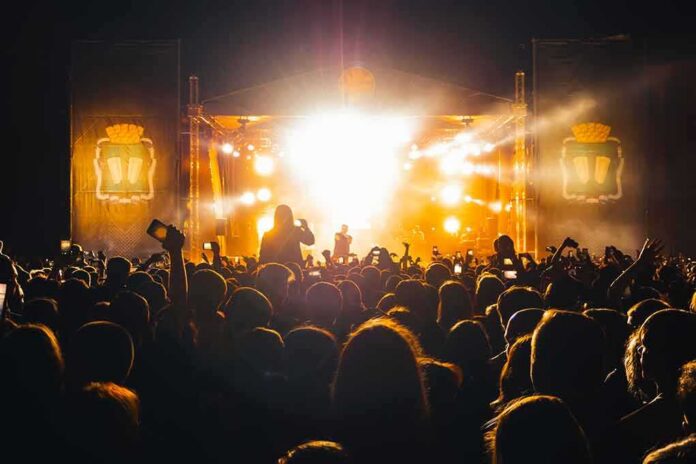
Canadian journalist Laina Dawes described specific racial abuse while covering Metallica at Toronto’s Air Canada Centre in 2009. In a Global Television interview, she said men made “gorilla noises” as she walked by and that multiple people called her the N-word while she worked the event. Her description covers two clear forms of abuse: animal noises and explicit slurs. The account presents a concrete event at a named venue and year, rather than a vague claim about feeling unwelcome.
Dawes later restated the experience and framed it as unusually severe compared with other shows she had covered. A 2026 post attributed to her said she had “never been called a nigger so many times at a metal show,” and mentioned “monkey noises,” tying the memory to a Metallica concert she photographed. That follow-on comment came amid renewed attention to how bands discuss politics and identity on stage, which can spill into fan behavior and show culture.
Context on Dawes’s Work and Metal’s Racial Debates
Dawes is known for writing about how Black women experience heavy metal, including her book “What Are You Doing Here?: A Black Woman’s Life And Liberation In Heavy Metal.” Interviews identify her as a journalist and author who studies race and belonging in metal. She has said that exclusion and harassment often appear more in mainstream spaces than in smaller scenes, adding weight to her description of the large-venue incident. Her work helps place the episode inside a documented cultural discussion.
Reporting and research have asked whether heavy metal has a race problem, pointing to stories about slurs, threats, and other harassment. Coverage has included accounts of items thrown at shows and a separate episode where Dawes said a man used a slur as she moved through a crowd. These stories do not prove rates across all concerts, but they show the pattern that some fans and journalists describe inside the scene. The Toronto incident sits within that larger debate.
Why This Matters for Fans, Artists, and Venues
Big shows promise escape and unity, but abuse drives people out of the space. When a credentialed journalist reports slurs at a flagship rock concert, it raises simple questions: who is watching the crowd, what do security teams do, and how do bands and venues make it safe for everyone. The account does not claim Metallica endorsed any behavior. It highlights audience conduct that any event operator should be ready to prevent and address.
I’ve been to a gazillion concerts and would bet my bottom dollar she’s made it up. Her whole schtick is “black woman trying to uncover racism in metal”. Metallica fans are the nicest people.
— Liv Boeree (@Liv_Boeree) October 13, 2026
The story also arrives as musicians argue about keeping politics off the stage. Metallica’s James Hetfield recently told fans the band aims to avoid political messages and focus on music that brings people together. Dawes has said “there are always politics at play,” noting that what happens in the crowd can undermine the promise of unity. These two views collide when abuse goes unchecked, because safety and dignity are not political to the people targeted.
Sources:
twitchy.com, blabbermouth.net, allthecoresandmore.com, latimes.com, loudersound.com
© unitedfrontnews.com 2026. All rights reserved.