

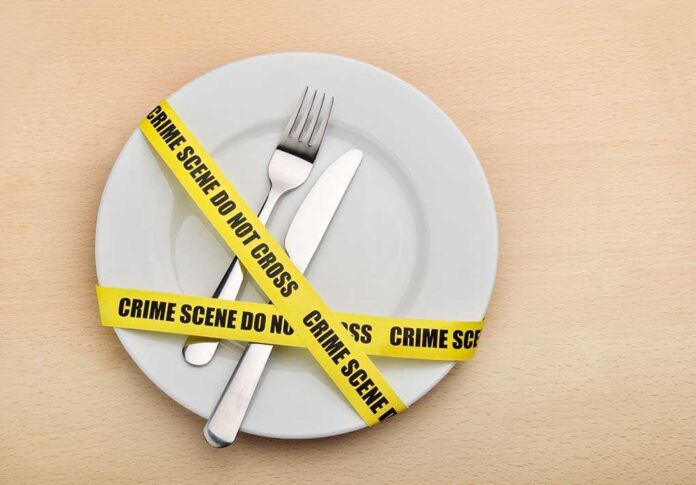
As New Jersey revives a plastic utensil ban that could outlaw basic forks and knives in restaurants, many see it as yet another warning of how far blue-state regulators will go to micromanage daily life.
Story Snapshot
- New Jersey’s Senate Budget and Appropriations Committee advanced a restaurant plastic utensil ban on an 8-3 vote, reviving a controversial idea during peak holiday season.
- Restaurant owners and some lawmakers warn the measure piles new costs and red tape onto businesses already squeezed by high taxes and inflation.
- Critics argue there is no clear plastic-utensil litter crisis, calling the bill symbolic green politics that ignores real economic pain.
- The fight highlights a deeper clash between heavy-handed state mandates and common-sense, market-based environmental solutions.
New Jersey’s Latest “War on Plastics” Targets Your Takeout Fork
New Jersey lawmakers have once again moved a bill to ban single-use plastic utensils in restaurants, advancing it through the powerful Senate Budget and Appropriations Committee on an 8-3 vote. The proposal covers everyday items like plastic forks, knives, and spoons commonly packed with takeout orders. Coming in a high-tax state where families already shoulder rising costs, this new mandate signals that Trenton’s appetite for regulating daily conveniences has not cooled, despite widespread fatigue with previous bans.
The renewed push arrives against the backdrop of New Jersey’s statewide plastic bag ban, which many residents still dislike but have grudgingly adapted to over time. Rather than easing off after that sweeping change, lawmakers now appear determined to escalate the “war on plastics” by targeting utensils specifically used by restaurants. Supporters frame the measure as another step toward reducing single-use waste, while opponents say it is detached from on-the-ground reality and fails to respect economic and personal freedom.
Restaurants Warn of Higher Costs and Holiday Season Strain
Restaurant owners, already battling thin margins, high rents, and increased food and labor costs, are among the loudest critics of the proposed utensil ban. They warn that forcing a rapid shift away from affordable plastic cutlery will require pricier alternatives, new supply arrangements, and updated packaging systems, all during the crucial holiday period when many businesses rely on strong sales to survive. In a state where operating expenses are already steep, added compliance burdens can be the difference between staying open and shutting doors.
Operators also stress that customers still expect convenient, ready-to-go utensils with their takeout and delivery orders. If restaurants must switch to more expensive biodegradable or reusable options, those costs will almost certainly flow to diners through higher menu prices and fees. For working-class families stretching every dollar, especially after years of inflation and tax pressure, another hidden cost on a basic service like grabbing dinner to-go feels like yet another penalty for simply living and eating in New Jersey.
Critics See Symbolic Green Politics without Proven Need
Commentators following the debate say what makes this proposal especially galling is the apparent lack of a documented plastic-utensil crisis in New Jersey’s streets or waterways. Unlike images of plastic bags stuck in trees or floating in rivers, there has been little visible evidence offered that disposable forks are overwhelming the state’s environment. The utensil ban is described as a “resurrection” of old ideas rather than a response to fresh, data-driven concerns, raising questions about legislative priorities.
Media voices such as NJ 101.5 contributor Mike Brant have argued the plan feels “out of left field,” given the absence of clear litter studies and the timing near the holidays. He and others suggest that if the state genuinely wants to reduce waste, it could encourage voluntary programs, support innovation in packaging, or offer tax incentives for reusable or compostable products instead of imposing another blanket prohibition. That approach would better respect both environmental stewardship and the economic realities restaurants face.
Government Overreach vs. Common-Sense Environmental Stewardship
The utensil battle underscores a broader tension between expansive state regulation and the kind of limited, targeted government many conservatives favor. When lawmakers repeatedly reach for bans and mandates on everyday products without presenting strong evidence or cost-benefit analysis, residents see a pattern of creeping control over ordinary behavior. For many New Jerseyans, this echoes earlier frustrations with plastic bag rules, where adaptation came only after confusion, inconvenience, and added expense for shoppers and small businesses alike.
For conservatives nationwide, New Jersey’s experience serves as a cautionary tale of what happens when progressive environmental symbolism outruns practical policy. Instead of empowering citizens and entrepreneurs to innovate cleaner solutions, the state continues to rely on top-down dictates that shift costs onto families and job creators. As red-state leaders in Washington roll back federal overreach and focus on growth, the Garden State’s plastic fork fight shows how far some local governments still are from embracing common-sense, freedom-respecting approaches.
Sources:
New Jersey lawmakers weigh in on plastic utensil ban once again