
A massive winter storm crippled U.S. air travel Sunday, canceling over 10,500 flights—the highest rate since the COVID-19 pandemic—stranding millions and exposing vulnerabilities in our overregulated aviation system.
Story Snapshot
- Over 10,500 flights canceled on Sunday alone, part of 14,100+ since Saturday, affecting 180 million Americans across 20+ states.
- Ronald Reagan Washington National Airport saw 99% of departures axed; major hubs like Atlanta, Dallas-Fort Worth, and JFK ground to a halt.
- American Airlines canceled 1,400+ flights (45% of schedule); Delta, Southwest, United, and JetBlue also slashed thousands.
- Airlines issued waivers for Jan 23-26 travel, but no reimbursements for hotels or food due to uncontrollable weather.
Storm Scale Dwarfs Recent Precedents
A powerful winter storm originating in the southern Rocky Mountains delivered snow, sleet, and freezing rain from the South to New England. The National Weather Service warned of 1-2 feet of snow in the Northeast from Washington to Boston. This multi-region assault hit during peak winter travel, impacting nearly 180 million people. Sunday’s disruptions marked 29% of all U.S. departing flights canceled, the worst post-pandemic. Reagan National Airport canceled 99% of its 420 departing flights. Travelers faced chaos at hubs including Dallas-Fort Worth, Charlotte, Philadelphia, Atlanta, JFK, LaGuardia, and LAX.
Airlines’ Massive Cancellations and Waivers
American Airlines canceled over 1,400 flights, 45% of its schedule. Delta and Southwest each axed more than 1,200 flights. United scrapped 860+, while JetBlue halted 570+, or 71% of operations. The storm began Saturday in the South with over 4,000 delays and cancellations nationwide. Cumulative totals exceeded 14,100 by Sunday evening, with some reports citing up to 16,000 through Monday. Airlines prioritized safety through preemptive cuts to manage de-icing and visibility issues. They activated waivers for travel January 23-26, permitting penalty-free rebookings by January 28-29.
Traveler Chaos and Government Role
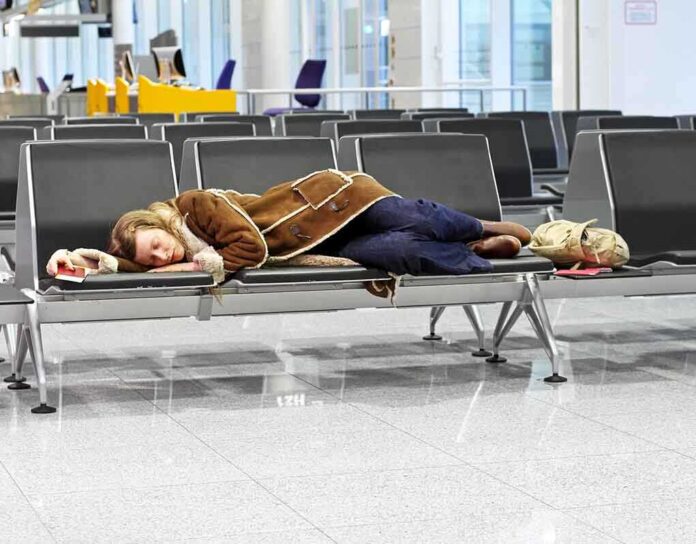
Millions of passengers stranded at major airports endured long lines for rebookings and refunds. The U.S. Department of Transportation mandates refunds for cancellations, but offers no coverage for weather-related hotel or food costs. Travelers must check airline apps or websites urgently for options, including partner airline seats. Under President Trump’s administration, federal agencies like DOT enforce consumer protections without the overreach of past leftist policies. This event underscores the need for resilient infrastructure, free from excessive regulations that hinder rapid response.
National Weather Service forecasts drove airline decisions, shifting the storm north after initial Southern impacts. FlightAware and Cirium data confirmed the unprecedented scale, surpassing 2022’s bomb cyclone and 2023’s Northeast blizzard.
Economic and Social Fallout
Billions in daily losses mounted from cancellations, lost revenue, and stranded passengers. Families separated during post-holiday travel faced stress and uncertainty. Aviation crews strained under de-icing overloads and backlogs. Short-term, rebooking delays persist; long-term, eroded trust could dampen winter travel confidence. Tourism sectors may see hotel gains but staffing woes. This storm highlights how natural forces expose systemic weaknesses, reinforcing conservative calls for limited government intervention and private-sector preparedness.
Optimistic views note waivers mitigate impacts through cross-carrier partnerships. Pessimistic outlooks predict multi-day backlogs if the Northeast snow lingers. Practical advice urges using international phone lines for rebooks and documenting claims promptly.
Sources:
Winter storm cancels 30% all US flights: what to know
Flights canceled due to weather today Jan. 25, 2026