
Over 10,000 American troops have locked down Iranian ports in the Strait of Hormuz, sending a clear message that President Trump’s resolve crushes Iran’s threats to global security and energy independence.
Story Highlights
- CENTCOM deploys 10,000+ sailors, marines, airmen with 12+ warships and dozens of aircraft to enforce blockade on Iranian ports.
- First 24 hours: No ships passed; six merchant vessels turned back, proving U.S. naval dominance.
- Targeted operation spares non-Iranian traffic, upholding freedom of navigation while isolating Tehran.
- Oil prices top $100/barrel as global shipping reroutes, highlighting Iran’s role in energy chaos.
- Trump’s firm stance follows failed peace talks, prioritizing American strength over weak diplomacy.
Blockade Launch and Early Success
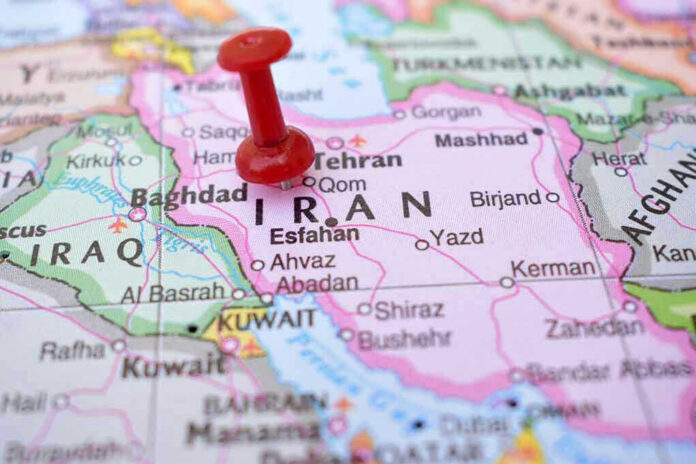
President Donald Trump proclaimed the maritime blockade on April 12, 2026, with U.S. Central Command activating it on April 13 at 10 a.m. ET. Over 10,000 troops, including sailors, marines, and airmen, support the effort using more than a dozen warships like guided missile destroyers and littoral combat ships, plus dozens of aircraft. CENTCOM issued notices to mariners warning of interceptions for unauthorized vessels heading to Iranian ports in the Arabian Gulf and Gulf of Oman. This targeted action isolates Iran without closing the full Strait of Hormuz.
Operational Details and Compliance
CENTCOM reported on April 14 via X that no vessels passed the blockade in the first 24 hours. Six merchant ships complied by turning back toward an Iranian port in the Gulf of Oman. The operation enforces impartially on all nationalities but permits non-Iranian port traffic through the Strait. Daily traffic dropped below 10% of pre-conflict levels, which exceeded 100 vessels. Humanitarian shipments like food and medicine receive post-inspection passage to avoid civilian hardship.
Strategic Context Amid U.S.-Iran War
The blockade follows a six-week war sparked by U.S.-Israel joint strikes on February 28, 2026, after weekend peace talks collapsed. President Trump announced the Navy action on April 12, echoing his threats to eliminate approaching Iranian ships. U.S. assets position 15 ships in the region with unmanned aircraft and about 100 fighter and surveillance planes. This unprecedented scale surpasses past incidents like 2019 tanker seizures, asserting naval superiority to pressure Iran into negotiations or submission.
Stakeholders include CENTCOM leading from Tampa, Florida, commercial trackers like Kpler and Windward noting deviations, and Iran considering a Strait shipping pause. Global shippers comply to evade capture, underscoring U.S. power dynamics that protect vital sea lanes.
10,000 Troops at Work: CENTCOM Update on U.S. Blockade of the Strait of Hormuzhttps://t.co/aOQ3xMl05k
— PJ Media (@PJMedia_com) April 14, 2026
Economic Ripples and Global Stakes
Oil prices exceed $100 per barrel as the Strait, carrying one-fifth of global oil and gas, faces disruptions. Iranian trade grinds to a halt, crippling its economy while maritime insurance rates surge and shipping reroutes strain alternatives. Short-term, zero access to Iranian ports fragments responses with transits, deviations, and potential evasions by sanctioned vessels. Long-term, sustained pressure could force talks but risks escalation if Iran tests the lines.
Expert Views and Disputes
CENTCOM pushes back on reports of nine vessels crossing the Strait, clarifying its scope excludes non-Iranian transits—resolving apparent conflicts with Kpler and Windward data. Windward describes a fragmented shipping response mixing compliance and evasion attempts. Navy Times positions U.S. forces at the global chokepoint’s center, while Economic Times notes added waterway uncertainty. These developments affirm Trump’s America First strategy, shielding U.S. interests from foreign aggression despite elite criticisms of confrontation.
Sources:
Xinhua: 10,000 Troops at Work: CENTCOM Update on U.S. Blockade of the Strait of Hormuz
Navy Times: US blockade halts ship traffic to Iranian ports, CENTCOM says
TWZ: Ships Passed Through U.S. Navy Blockade, Reports
Times of Israel: US military says 10,000 troops, planes, ships taking part in naval blockade of Iran
CENTCOM: US to Blockade Ships Entering or Exiting Iranian Ports