

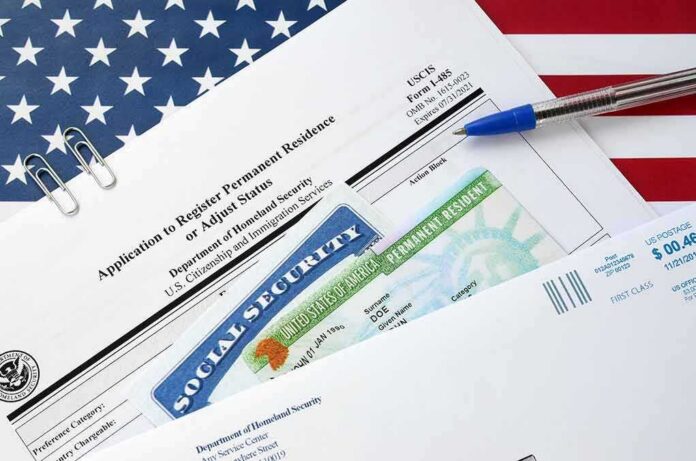
Twenty-two states and Washington, D.C., rushed to federal court to stop a rule that could deny green cards to immigrants for legally using safety-net benefits, days before it takes effect.
Story Snapshot
- Twenty-two states and D.C. sued to block the new “public charge” rule before it starts.
- The rule expands which benefits count and gives officers broad discretion, states say.
- The administration says the policy restores self-reliance and protects taxpayers.
- The rule is set to apply to applications filed on or after September 18, 2026.
States Challenge Public Charge Expansion in Federal Court
New York, joined by 21 states and Washington, D.C., filed a complaint in the United States District Court for the Southern District of New York on September 14, 2026. The filing seeks to stop a Department of Homeland Security rule that expands how officers judge whether a green card applicant may become a “public charge.” The states argue the rule is unlawful, vague, and will chill legal benefit use by families who already qualify for help.
Reuters and other outlets reported the suits landed just days before the rule’s start date. The cases ask the court to pause the policy nationwide while judges review the merits. The lawsuits say the change will harm state health systems, schools, and local economies if families drop needed services out of fear. The filings also argue the rule gives line officers “sweeping discretion” to deny entry or permanent status to otherwise eligible applicants.
What the New Rule Changes and When It Starts
The Federal Register notice shows the rule applies to admission and green card applications filed on or after September 18, 2026. It directs officers to make “individualized, fact-specific” calls under a “totality of the circumstances” test. It also broadens the inquiry to include a wider set of means-tested public benefits, and it replaces the 2022 framework the department is rescinding. These specifics make the new standard both wider and more discretionary.
Time and other coverage say the Department of Homeland Security frames the move as restoring a basic rule: immigrants should be able to support themselves. Officials say the policy protects public resources and ends incentives that encourage long-term dependence on taxpayers. Supporters argue that clear self-sufficiency rules uphold fairness for workers who fund the safety net and for immigrants who plan to be financially independent.
The Competing Claims: Self-Reliance vs. Chilling Effects
The administration’s case centers on self-reliance and fiscal prudence. It says the policy screens for those likely to become “public charges,” while keeping decisions tailored to each person’s situation. The government stresses that officers must use good judgment and weigh all relevant facts, not just a single benefit record. Supporters believe this guards limited funds and aligns with long-standing immigration principles.
The states warn the rule will push families to drop health care, food support, or other help even when they are eligible. Their complaint says past changes to “public charge” rules drove down enrollment in programs like Medicaid among citizen children in immigrant families. They argue this version is broader, less clear, and more likely to cause fear-driven exits from vital services, which would raise uncompensated care costs and strain local systems.
Why This Fight Matters Beyond Immigration Policy
This clash taps into deeper public doubts about government focus and fairness. Many conservatives see a needed guardrail for taxpayer funds and a return to common sense. Many liberals see a punitive test that undercuts working families and creates red tape. A growing number on both sides see a process that empowers distant officials while leaving states and local groups to clean up the fallout if families avoid care and crises grow.
NEW: Maryland Republican Cheryl Riley is calling out Attorney General Anthony Brown and state Democrats after Maryland joined a 22-state lawsuit challenging the Trump administration’s expanded “public charge” rule for green-card applicants.
Riley argues Maryland’s Democratic…
— MDBayNews (@MDBayNews) September 20, 2026
The timing adds pressure. Federal agencies plan to require new forms for filings after September 18. Lawyers warn that older editions filed on or after that date will be rejected. Applicants face a fast-changing landscape, while courts weigh whether the rule can stand. If a judge issues a temporary block, the start date could shift. If not, the new standard will guide decisions for applications filed from that day forward.
What to Watch Next in the Courts and Communities
First, watch for a ruling on a temporary restraining order or preliminary injunction. That will decide if the rule starts this week or is paused for review. Second, track whether states produce data showing a drop in program use, or whether the government shows stable trends. Third, expect more suits from cities and counties. These rulings will shape how immigration officers balance personal facts, public costs, and family well-being in the months ahead.
Sources:
govinfo.gov, techtimes.com, gwp.law, ag.ny.gov, cnn.com, envoyglobal.com, news.bloomberglaw.com
© unitedfrontnews.com 2026. All rights reserved.