
Washington quietly stood up new security teams in Latin America, signaling a larger, longer U.S. role against cartels and regional threats.
Story Snapshot
- U.S. Southern Command formed a permanent Joint Task Force Western Hemisphere to coordinate counter-cartel missions.
- A new Joint Security Cooperation Group in Panama aims to boost joint training and interoperability with Panamanian forces.
- Senior leaders highlighted growing partner exercises like PANAMAX and regional visits to tighten coordination.
- These steps fit a pattern of deeper cooperation that backers see as burden-sharing and critics see as militarization.
What’s New: Standing Task Force and Panama-Based Team
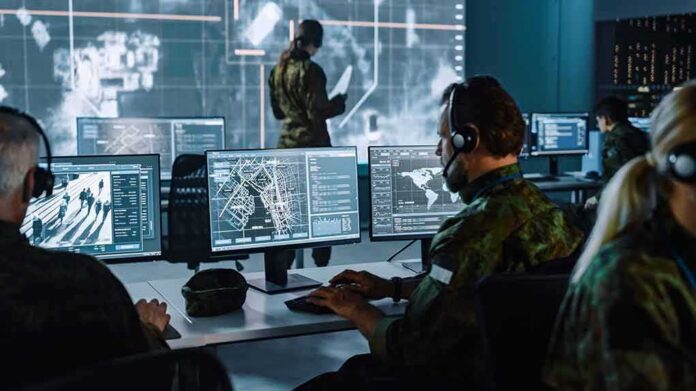
U.S. Southern Command created the Joint Task Force Western Hemisphere on August 4 to coordinate action with partner nations against organized criminal groups across the region. The command also established the Joint Security Cooperation Group–Panama to improve warfighting readiness and interoperability by working with Panama’s security forces. Together, these moves formalize a hub-and-spoke setup. They place a permanent headquarters in charge of missions and a country team focused on daily training and combined planning.
Southern Command describes the Panama group as a way to expand joint training and shared standards that let units plug into missions faster. Senior leaders have paired the new structures with more travel and exercises. The commander, General Francis L. Donovan, met leaders in Panama to reinforce security goals and review PANAMAX 2026, a major multinational drill that practices defense of the Panama Canal and regional waters. The 2025 posture materials also listed PANAMAX and other exercises as key tools to grow partner readiness.
Why It Matters: Crime, Borders, and the Canal
The Joint Task Force Western Hemisphere gives Washington a single operational headquarters to help track, plan, and support missions against cartels and other cross-border networks. Those networks move drugs, weapons, people, and money across seams that slow many governments. Panama’s location and the canal make it central to trade and smuggling routes. A standing team in Panama can speed training events, share intelligence better, and help local forces adopt U.S. and regional best practices.
Southcom officials frame this as “by, with, and through” partners, which means local forces lead and U.S. units assist. Supporters say this spreads the load and builds regional capacity, which is cheaper than large U.S. deployments. They also point to past posture documents that stress cooperation, crisis response, and countering threat networks as core tasks. The structure aims to make responses faster and steadier, so progress does not depend on one exercise or one ship rotation.
The Bigger Picture: Familiar Debate Over U.S. Footprint
These steps fit a long pattern. U.S. Southern Command’s area covers Latin America and nearby waters, and its mission has long mixed security cooperation with operations. Over the years, the command has used exercises, liaison cells, and shared training to deepen links. Critics often read such changes as more militarization, while backers see routine upgrades to handle real threats. The new task force and the Panama group sit squarely inside that recurring debate.
New U.S. security efforts in Latin America show SOUTHCOM expanding multilateral, partner-led operations. https://t.co/tu1Hu5GpwR pic.twitter.com/EqtN1sdgLj
— Drew Grimaldi (@Grimillionaire) August 14, 2026
Leaders also tie regional security to new domains like space and autonomy. Southcom and U.S. Space Command highlighted how satellites and space tools help track illicit flows and support partner forces. Analysts also noted Southcom’s push to test new systems and scale lower-cost gear with allies. For readers at home, the bottom line is practical: better coordination can cut drugs on U.S. streets, protect legal trade through the canal, and reduce the need for larger, costlier deployments later.
Sources:
southcom.mil, defenseone.com, war.gov, riotimesonline.com
© unitedfrontnews.com 2026. All rights reserved.