

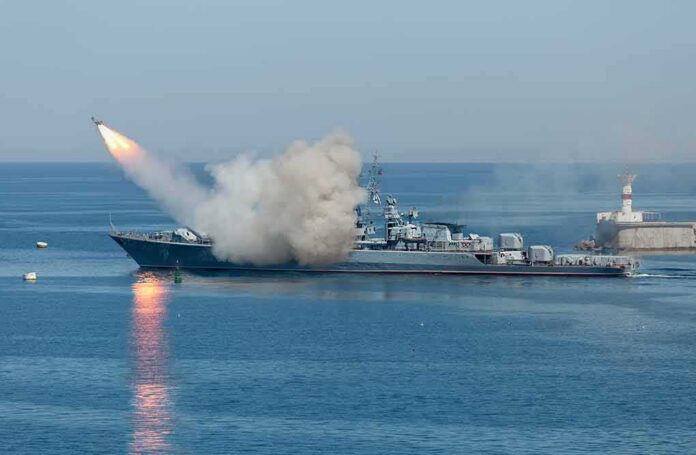
U.S. forces struck two Iranian rocket launchers near the Strait of Hormuz after commanders said they saw crews preparing to fire rockets that carried sea mines into one of the world’s busiest shipping lanes.
Story Snapshot
- Central Command said the strike was a limited, defensive move to protect commercial ships.
- Officials said the launchers were on Larak Island near key shipping routes cleared of mines last week.
- Iran denounced the strike as a violation of its sovereignty and international law.
- The fight over Hormuz control raises legal and economic risks for the global economy.
What The U.S. Military Says It Stopped
U.S. Central Command said Islamic Revolutionary Guard Corps forces were seen preparing to launch rockets that carried sea mines into the Strait of Hormuz before the United States hit two launchers on nearby Larak Island. Officials called the operation the first U.S. military action in weeks and said it aimed to remove an imminent danger to civilian sailors and cargo traffic, not to expand the conflict. They described “limited, precise action” to keep trade flowing through the chokepoint.
Command spokespeople linked the strike to recent mine-clearing work in the strait’s international lanes. They said U.S. and partners had cleared mines last week and remained ready to keep sea routes open. By tying the strike to shipping safety, the Pentagon cast it as a narrow step to prevent harm to crews and cargo. That framing matches reports across major outlets, which echoed the same details and quotes from named officials on the record.
Iran’s Pushback And The Sovereignty Fight
Iran’s Foreign Ministry condemned the attack, calling it a “flagrant violation” of sovereignty and of the United Nations Charter’s ban on force against a state’s territory. Iranian statements framed the U.S. action as illegal and said Tehran has a right to respond. These claims set up a direct clash with Washington’s self-defense argument and with a long dispute over who controls transit rules in the strait and nearby waters.
Legal scholars say the Strait of Hormuz meets the definition of an international strait where “transit passage” cannot be stopped for peaceful ships. That view holds that coastal states, including Iran, cannot shut, slow, or tax transit in the main lanes. When Iran asserts stronger control, or warns that traffic must follow Iran-approved routes, it collides with this widely held legal reading and raises the stakes for shippers and insurers worldwide.
Why This Matters For Energy, Prices, And Trust
Global oil and goods move through Hormuz every day. Any threat of mines, or a warning to avoid normal lanes, can push up insurance, reroute tankers, and raise costs that hit consumers at the pump. A short shutdown or scare can ripple into higher energy prices. That is true whether the trigger is an actual mine, a strike on launchers, or even a public claim that the strait could close. This is why both militaries and markets react fast to any sign of danger there.
IRANIAN RETALIATORY STRIKES HIT US BASES
U.S. forces on Sunday, struck two Islamic Revolutionary Guard Corps (IRGC) rocket launchers on Larak Island in the Strait of Hormuz, marking the first direct American military action against Iran in over a month. Iranian authorities… pic.twitter.com/2gqOjpOQYi
— keneci News (@Kenecifeed) August 31, 2026
Americans across the spectrum have another concern: trust. Many remember past wars where officials asked the public to accept secret intelligence. Here, the U.S. says it saw a clear, imminent threat. But officials have not publicly released images, intercepts, or strike video to prove what they saw. That does not mean the claim is false. It does mean public debate will turn on statements instead of shared evidence, and critics will press for more transparency.
Known Facts, Open Questions
What is firmly on the record is limited but important. U.S. officials say they struck two rocket launchers on Larak Island after observing preparations to deploy sea mines by rocket, and they stress the action was narrow and defensive to protect shipping. Major newsrooms reported the same core details, citing named spokespeople and consistent timelines. Iran rejects the legal basis and says its territory was attacked in violation of international law.
Key questions remain. First, what specific intelligence showed the launchers were minutes or hours from firing? Second, what is the U.S. legal basis for force on Iranian soil in this case? Third, how did maritime traffic and insurance rates change right after the strike? Answers would help citizens judge necessity, proportionality, and impact. Until then, markets, mariners, and families with budgets tied to fuel prices must live with the risk that this standoff could flare again.
Big Picture: A Familiar But Dangerous Pattern
This episode fits a repeating cycle. Iran signals tighter control in and around Hormuz. The United States counters to protect transit and deter mining. Each side claims the law and says the other crossed a line. Shipping and energy markets absorb the shock. That is why steady, verifiable facts matter here. Clear evidence can calm nerves, hold leaders accountable, and keep a vital waterway open to the world without sliding into a wider war.
Sources:
tbsnews.net, abcnews.com, kq2.com, cubaheadlines.com, cbsnews.com, reuters.com
© unitedfrontnews.com 2026. All rights reserved.