
A new policy threatens Venezuela’s sovereignty, sparking international debate over U.S. control of foreign oil reserves.
Story Highlights
- Venezuela to hand over 30-50 million barrels of oil to the U.S. under Trump’s directive.
- U.S. Department of Energy to manage sales and control proceeds.
- Operation follows the U.S.-backed removal of Nicolás Maduro.
- Questions arise over sovereignty and international law.
Trump’s Announcement on Venezuelan Oil
Recently, President Donald Trump declared that Venezuela, post-regime change, will transfer 30-50 million barrels of oil to the United States. This announcement came after a U.S. military operation in Caracas, which led to the ousting of President Nicolás Maduro. Trump stated that the U.S. would control the oil proceeds, aiming to influence global oil prices by increasing supply. Such actions have raised significant concerns regarding the sovereignty of Venezuela and the legality of U.S. actions on the international stage.
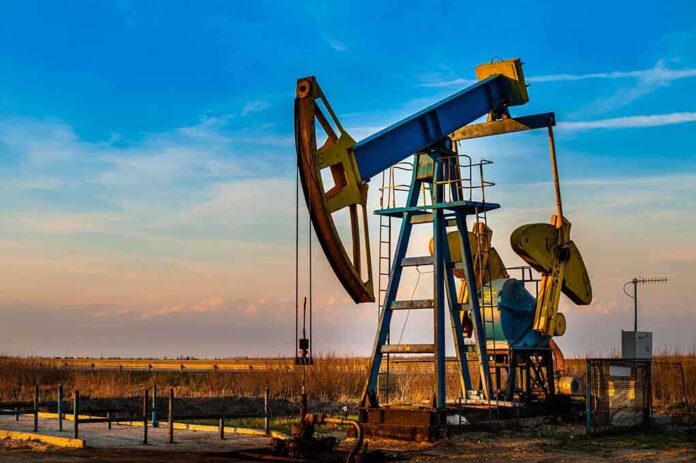
The U.S. Department of Energy (DOE) has confirmed that the oil will be sold on global markets, with the funds being deposited into U.S.-controlled accounts. This move bypasses traditional sovereign control mechanisms, creating a new precedent in international oil transactions. Meanwhile, the Trump administration has begun meetings with major U.S. oil companies to discuss involvement in Venezuelan oil operations, hinting at a broader strategy to integrate Venezuela’s oil sector into U.S. economic interests.
Implications for Global Oil Markets
The decision to control Venezuelan oil exports is expected to have significant implications for global oil markets. Trump’s goal to drive oil prices down to approximately $50 per barrel could impact U.S. shale producers adversely. While lower prices might benefit consumers at the pump, they pose a threat to high-cost domestic operations that have thrived under higher price conditions. The administration’s move reflects a willingness to prioritize broader geopolitical leverage over domestic industry stability.
Trump’s policy also involves recalibrating sanctions to allow U.S. companies to operate within Venezuela. This selective easing aims to boost Venezuelan oil production while ensuring the U.S. maintains control over the country’s crude exports. The strategy underscores a shift from punitive sanctions to direct asset control, raising ethical questions about the extent of U.S. intervention in foreign economies.
Legal and Ethical Considerations
The U.S. claim over Venezuelan oil raises significant legal and ethical concerns. Critics argue that this form of economic trusteeship sets a dangerous precedent, infringing on Venezuela’s sovereignty and potentially violating international law. The move could lead to tensions with other oil-producing nations and international bodies that view the U.S. actions as overreach. Furthermore, the legitimacy of the interim Venezuelan authorities, recognized by the U.S. but not universally accepted, adds another layer of complexity to the situation.
The broader implications of this policy extend beyond immediate economic impacts. By asserting control over Venezuelan oil, the U.S. risks facing backlash both internationally and domestically. Nationalist sentiments within Venezuela could grow, potentially undermining the interim government’s stability and U.S. interests in the region.
Sources:
How Chevron Played the Long Game in Venezuela
US Seizes 2 Oil Tankers Linked to Venezuela
President Trump Meeting Oil Executives to Discuss Future Plans in Venezuela