
A $125 million court-filed settlement over a Garden Grove chemical scare shows how fast public safety costs can land on regular people when systems fail.
Story Snapshot
- Prosecutors filed a $125 million agreement with GKN Aerospace tied to mass evacuations in May.
- The plan funds resident and business claims, penalties, response costs, and years of safety oversight.
- Officials said more than 50,000 people had to leave homes and shops over Memorial Day weekend.
- GKN says there was no contamination or injuries and denies liability while paying to resolve claims.
What The Settlement Does And Who It Pays
Orange County prosecutors announced a proposed $125 million agreement with GKN Aerospace Transparency Systems, Inc. and GKN Aerospace, Inc., filed in Superior Court and awaiting a judge’s approval. The plan sets up a claims fund for residents and businesses, pays civil penalties, and reimburses public emergency costs. Coverage includes evacuations, lost income, and other impacts from the Garden Grove hazard response. The deal adds a multi-year safety and monitoring program run by an outside expert to track improvements.
Local outlets report the package includes a $100 million claims program, $15 million in penalties, and about $8.47 million for emergency response and abatement, subject to court approval or modification. Prosecutors tied the agreement to a May crisis at GKN’s facility that led to countywide alerts and a round-the-clock effort to keep a chemical tank from failing. The size of the fund signals the scale of disruption and the desire to compensate people without years of legal fights.
What Happened Over Memorial Day Weekend
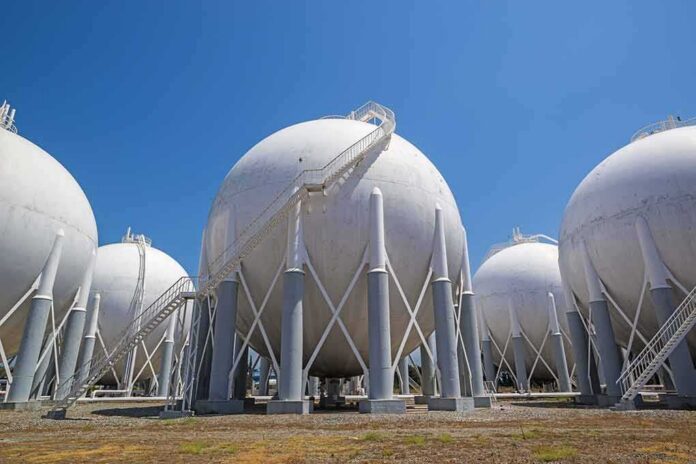
Authorities ordered mass evacuations after reports of a tank in “crisis” at the Garden Grove site. Officials warned the tank could fail or explode, and firefighters worked for days to reduce the risk. News coverage identified methyl methacrylate, a highly flammable chemical used in plastics, as the focus of the response. County and city agencies closed streets, cleared neighborhoods and shops, and kept people back until they judged the tank stable. Officials later tallied tens of thousands displaced during the holiday weekend.
GKN says there was no leak, no contamination, and no injuries, and that it worked closely with fire, health, and environmental agencies. The company highlighted continuous monitoring and the removal and disposal of material from other storage tanks by an environmental contractor after the crisis. Company statements also noted donations to help evacuees and broader community needs. The settlement, however, resolves civil claims without an admission of fault while still funding penalties and oversight.
Why This Case Hits A Deeper Nerve
Families and workers saw how one plant problem can push an entire community out of homes and jobs in hours. The independent United States Chemical Safety and Hazard Investigation Board (CSB) often finds that “cause” includes equipment, human factors, training, and management systems, not just a broken part. That is why long-term fixes matter. Multi-year oversight in this agreement aims to force steady safety changes, not just pay bills and move on. People want proof that the same scare will not happen again.
This incident also fits a national risk pattern. The Environmental Protection Agency’s Risk Management Program tracks thousands of sites that handle dangerous chemicals. Over a decade, more than 1,500 reportable accidents showed deaths, injuries, evacuations, property damage, or environmental harm. Communities carry the burden when alarms sound, regardless of later debates about leaks or readings. That is why quick, clear alerts and strong prevention plans remain so important.
Who Pays When Government And Industry Fall Short
Residents across the political spectrum see the same pattern: disruption lands on them first, answers come later. The settlement’s emergency reimbursement suggests large public costs to stabilize the site and to manage evacuations. People who left homes and lost income want fast, simple claims and steady updates. Many also want tougher inspections before a problem, not only monitors after one. Trust rises when leaders share data plainly and tie deadlines to fixes, not press releases.
$125 million settlement reached after dangerous Garden Grove chemical leak
https://t.co/ybRWQOjKXW— Tim Conway Jr Show (@ConwayShow) October 13, 2026
Looking ahead, three tests will show if this deal changes behavior. First, the claims program must pay fairly and fast. Second, the outside expert must publish clear safety steps and timelines. Third, local, state, and federal agencies must coordinate drills and enforce rules without fear or favor. The CSB’s approach shows that strong systems prevent the next scare, which saves lives, jobs, and tax dollars. People want results they can see on the ground, not just large numbers on a page.
Sources:
nbclosangeles.com, cbsnews.com, tran.house.gov, article.wn.com, en.wikipedia.org, voiceofoc.org, calmatters.org, latimes.com, abcnews.com, apha.confex.com
© unitedfrontnews.com 2026. All rights reserved.