

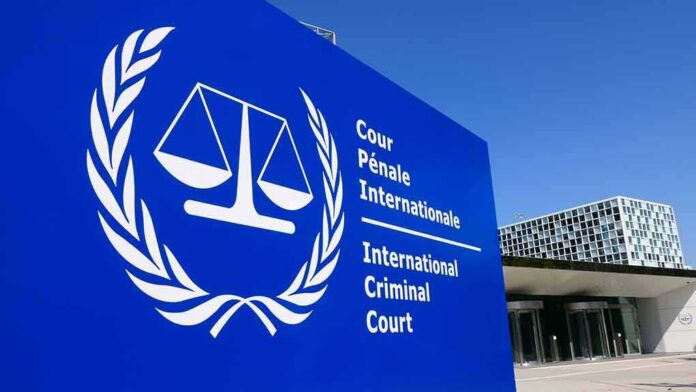
In a rare scene for a former head of state, Rodrigo Duterte personally appeared as the International Criminal Court moved his case to a full trial on crimes against humanity.
Story Highlights
- International Criminal Court judges unanimously confirmed three crimes-against-humanity charges against Duterte.
- Judges found reasonable grounds that Duterte is responsible as an indirect co-perpetrator for alleged murders from 2011 to 2019.
- The confirmation followed an adversarial hearing with arguments from prosecutors, victims, and the defense.
- Five hundred thirty-nine victims are cleared to take part in the case through court-appointed lawyers.
What The Court Has Decided So Far
Pre-Trial Chamber judges at the International Criminal Court unanimously confirmed all three charges of crimes against humanity against Rodrigo Duterte and sent the case to trial. The court’s public materials say judges saw reasonable grounds to believe he bears responsibility as an indirect co-perpetrator for alleged murders in the Philippines between November 2011 and March 2019. The decision moves the case beyond investigation into a full trial on the merits, where evidence will be tested in open court.
The International Criminal Court explained that the Prosecutor had already filed public, redacted charging papers and a detailed pre-confirmation brief. Those filings outlined the alleged policy, the time frame, and supporting evidence for the charges. While some records remain confidential for witness safety or legal reasons, the confirmation shows judges found the presented material sufficient to proceed. A trial judgment, not this stage, will decide guilt or innocence under the court’s rules.
How The Case Reached Trial
The court held a multi-day confirmation hearing from February 23 to 27, 2026. Prosecutors, victims’ lawyers, and Duterte’s defense gave oral arguments and closing statements. After weighing those submissions, the judges issued a unanimous ruling that the charges met the threshold for trial. This adversarial step is designed to test whether the case is strong enough to move forward, even though it does not yet resolve any factual disputes or legal defenses that the trial chamber will handle.
Victims’ participation is notable in this case. The court has recognized 539 victims, who are represented by court-appointed counsel. Their participation lets affected people share views on procedure and, at times, on evidence that does not address the acts and conduct of the accused. The court’s victims page names the lawyers and explains their mandate within the process, which is separate from the Prosecutor’s role to prove the charges at trial.
Key Evidence Questions Ahead
Victims’ representatives recently backed admitting prior recorded testimony from three witnesses who describe alleged extrajudicial killings in Central Luzon. They said the accounts are relevant, reliable, and support other witness stories. The filing asks the trial chamber to allow the statements under a rule that can admit prior testimony if it does not go to the accused’s personal acts and conduct, and if other legal conditions are met. The defense can still challenge that path.
Inquirer reports that the ICC expects Rodrigo Duterte to attend each day of his trial, opening Nov. 30. The court also denied victims' representatives' request to use Tagalog in parts of their opening statement. #Philippines #ICC #DuterteTrial https://t.co/Ddh4Zzph3M
— Lovely Prado (@Lovelly_P) November 3, 2026
The public record notes that those three witnesses speak to events and context more than to Duterte’s own conduct. That means the trial will need other links, such as records, command evidence, or testimony tying local killings to a common plan or policy and to Duterte’s contribution. The court’s decision on charges states the theory as indirect co-perpetration, a mode that focuses on control over crimes through others rather than direct hands-on acts.
Why This Matters Beyond The Case
This case fits a broader pattern in international justice. Courts often face a gap between proof of widespread violence and proof that a senior leader is legally responsible for specific crimes. The International Criminal Court’s move to trial signals that the judges believe the Prosecutor met the early threshold. The trial will test whether the evidence shows a widespread or systematic attack on civilians and a legally sound link to Duterte. That is what the law requires before any conviction.
Sources:
youtube.com, icc-cpi.int, news.abs-cbn.com
© unitedfrontnews.com 2026. All rights reserved.