

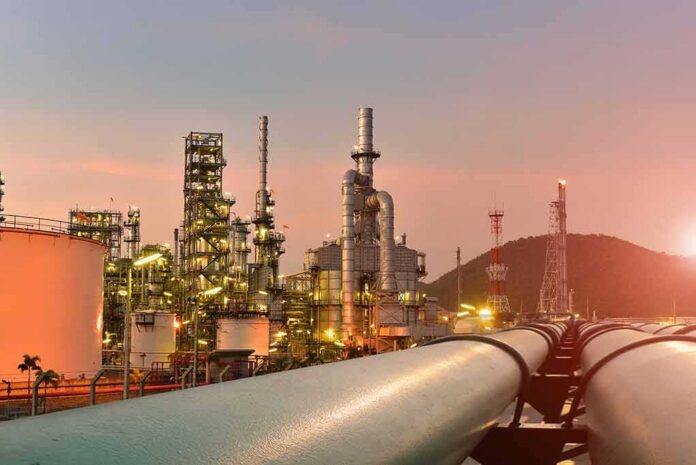
Despite talk of a “halt” on energy strikes, both Russia and Ukraine kept hitting refineries, and a fresh Moscow-area claim is now testing that fragile narrative.
Story Snapshot
- President Trump touted a mutual pause on energy strikes, but Kyiv and Moscow said no deal was sealed.
- Ukraine acknowledged hitting Russia’s Syzran refinery after Trump’s claim, underscoring no binding truce.
- A partisan site alleged a new strike on Moscow’s Kapotnya refinery; independent confirmation remains limited.
- Energy sites have become core targets as both sides seek leverage and hit fuel supplies this year.
What Each Side Said About the “Energy Truce”
On September 14, President Trump said Ukraine and Russia agreed to stop hitting energy sites. The Kremlin welcomed the idea but tied it to wider demands, while Ukraine’s President Volodymyr Zelenskyy called it a proposal, not a signed deal. Kyiv said it would pause only if partners secured a real Russian pledge to stop attacks on Ukraine’s grid and fuel system. That gap between a proposal and an agreement set the stage for confusion.
Days after Trump’s post, reporting showed the war did not slow on this front. Ukraine said it struck the Syzran refinery in Russia’s Volga region, and coverage stressed that no binding cease on energy targets existed. Both capitals signaled interest in talks, but neither side agreed to stop first. This is the key point for readers: leaders floated a pause, but on the ground, strikes continued because no one trusted the other to hold fire.
The Kapotnya Claim and What We Can Confirm
A partisan outlet alleged Ukraine hit the Kapotnya oil refinery in Moscow six days after Trump’s announcement, framing it as a direct snub to the proposed pause. Independent confirmation of a new Kapotnya strike tied to that timeline is limited in the sources at hand. Earlier in the year, separate coverage described damage at a Moscow-area refinery and attributed responsibility to Ukraine, but that report was not linked to Trump’s recent truce claim or timing. Readers should separate new allegations from earlier events.
Because information warfare is part of this conflict, claims often arrive fast and firm, while facts catch up later. The stronger record here is the broader pattern: Ukraine has targeted Russian oil facilities across 2026, and Russia has hit fuel sites in Ukraine. These attacks strain supplies and unsettle prices. Reuters and other outlets documented multiple refinery hits, production cuts, and rolling shortages in Russia this year, even as Moscow tried to reroute capacity. That context helps weigh new strike claims.
Why Energy Sites Are Now Prime Targets
Ukraine sees refineries and fuel depots as the veins of Russia’s war machine. Hitting them reduces revenue, strains logistics, and raises costs. Russia responds by striking Ukraine’s fuel and power, aiming to sap industry and daily life. This tit-for-tat has grown. Reporting says refineries across Russia have taken hits, with several forced offline or to cut output after drone attacks. The International Energy Agency has trimmed Russian output forecasts amid the damage. These are not symbolic targets; they drive battlefield math.
Footage shows a drone strike hit the Kapotnya oil refinery in Moscow, igniting several fires. The facility processes crude oil for the city’s gasoline and diesel needs. #Kapotnya pic.twitter.com/ti8zGTAEqq
— WW3 Watchtower (@WW3Watchtower) September 20, 2026
For Americans, the stakes reach the pump and the grocery aisle. Every strike that dents refinery output risks tighter global diesel and gasoline supplies. A shaky pause that never hardens into a deal keeps markets on edge. Truckers, farmers, and families feel that at home. Voters on the right and left already suspect elites will promise “stability” while leaving regular people with higher bills. When wars rattle energy, that belief hardens, and trust in government falls further.
What This Means for U.S. Policy and Pocketbooks
Washington wants lower fuel prices and a calmer market. But an unsealed proposal cannot deliver either. Clear terms, verification, and a way to punish violations are the minimum for any pause to stick. Without that, both sides will keep hitting energy nodes they see as fair game. That means price spikes can come back fast. Leaders should be honest about the limits of handshakes and posts. Voters deserve facts, not headlines, when bills and budgets are on the line.
Sources:
thegatewaypundit.com, reuters.com, cnn.com, aljazeera.com, turkiyetoday.com, mid-day.com, newsukraine.rbc.ua, rigzone.com, meduza.io
© unitedfrontnews.com 2026. All rights reserved.