

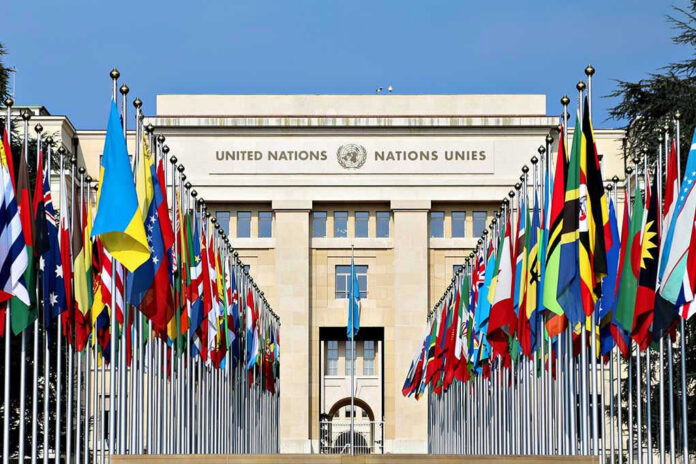
At the United Nations, President Trump said he could “annihilate” Iran if no deal is made, turning a peace forum into a stark threat.
Story Highlights
- Trump told the United Nations he faced a choice: strike a deal with Iran or “annihilate” its Islamic Republic.
- Major outlets independently reported the same “annihilate” language from the speech, confirming it was public and deliberate.
- Trump later tied annihilation to “peace,” saying renewed bombing was possible after the midterms.
- Supporters frame the threats as leverage to stop a nuclear weapon, while critics warn about escalation risk.
What Trump Said At The United Nations
On September 22, 2026, President Trump addressed world leaders in New York. He said he had a “big decision” on Iran: make a deal that lets Iran rebuild, or “annihilate the Islamic Republic” and do it quickly. He framed the threat as a way to stop more killing by Tehran and its partners. Reuters, the British Broadcasting Corporation, and American outlets reported the same core wording, which showed the remark was public and not a misquote.
Reporters said Trump presented the war as already underway and linked his stance to stopping a nuclear weapon. He argued his actions had kept Iran from getting one. That claim fit with his long pattern of maximum pressure. Supporters saw resolve. Critics saw a drastic line that blurred the regime and the people. Either way, the stage was the United Nations General Assembly, which is known for diplomacy, not war threats.
How The Message Evolved After The Speech
In follow-up remarks, Trump defended tying harsh threats to peace. In a Time interview, he said that by “annihilating Iran,” peace could be achieved, and he did not believe peace with Iran was otherwise possible. When asked if he would do it, he said, “Yeah… It’s possible.” He also said bombing could resume after the midterms, suggesting the pressure campaign would continue if talks failed or stalled.
Several outlets and analysts said this fit a familiar cycle. The White House makes sweeping threats, hints at a deal, and keeps options open. That approach can signal strength to foes and voters. It can also raise the risk of miscalculation. One Reuters report earlier in the year said some read his stance as a negotiating tactic, not a set plan for mass destruction or nuclear use. But even as leverage, such words can shape events on the ground.
Why This Lands Hard At Home And Abroad
Americans across the spectrum are tired of leaders who talk tough while problems at home grow. Many believe elites in Washington protect their power first. For conservatives, Iran’s threats, border chaos, and high costs fuel a demand for strength and deterrence. For liberals, the fear is unchecked force, fewer safeguards, and rising harm to civilians. Both sides share a core worry: big words can lock the country into big wars that drain lives and treasure.
Abroad, countries and markets listen closely to presidential words. At the United Nations, talk of “annihilation” rattles diplomats because it narrows space for compromise. It also pressures allies who want a united front but fear a wider war. When leaders pair threats with a door to a deal, it can work if both sides prefer talks. It can backfire if one side doubts restraint or seeks to test red lines in the Gulf.
What To Watch Next
Watch for an official transcript and any clarifying language about targets. Past coverage often blends Iran’s regime, military sites, and the population. That matters for law and for policy. Also track whether Washington releases details on goals, timelines, and off-ramps. Clear ends and limits lower risk. Vague aims raise it. Finally, look for signs of real talks. If a deal track opens, expect the rhetoric to soften. If not, expect pressure and the chance of renewed strikes.
How This Connects To Bigger Trends
American presidents have long used hard threats to gain leverage. Trump’s style is sharper and more public. He says what others imply. Some voters like the clarity. Others fear the cost. The deeper problem is trust. Many citizens feel the federal government has not delivered safety, prosperity, or honesty. When leaders use words like “annihilate,” that trust is tested. Results, not slogans, will decide whether this path brings real peace or deeper peril.
Sources:
twitchy.com, bbc.com, nytimes.com, latimes.com, iranintl.com, aljazeera.com, commondreams.org
© unitedfrontnews.com 2026. All rights reserved.