

Deputies followed the sound of a baby crying to a buried dog crate and pulled an 11-month-old out alive in South Carolina.
Story Snapshot
- Search teams found an infant alive in a towel-wrapped dog crate buried under fresh soil after more than a day of searching.
- Deputies reported hearing crying before uncovering the crate in woods near Parthenon Road in Lexington County.
- The child disappeared while in his father’s care; the father was arrested separately the same day without the child.
- Officials said the towel may have formed an air pocket that helped the baby survive about 24 hours underground.
Rescue From A Buried Crate In Lexington County
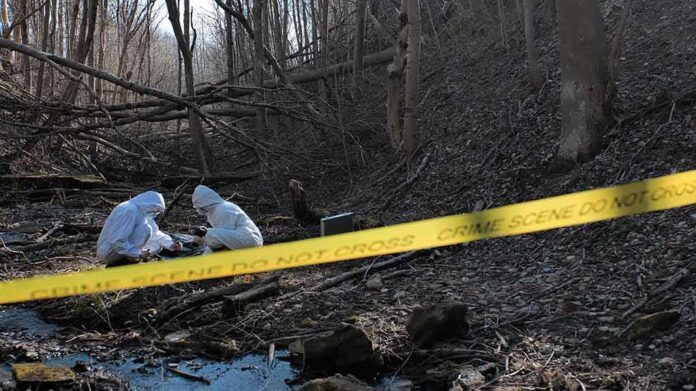
Lexington County Sheriff Jay Koon said deputies found an 11-month-old boy inside a wire dog crate buried beneath disturbed soil after searchers heard crying during a Tuesday sweep. Crews had been looking for more than a day when they uncovered the crate in wooded land near Parthenon Road. Reporters said the crate was wrapped in a towel and covered shallowly with dirt. The child was alive when found and pulled from the ground by deputies at the scene.
Investigators said the towel may have created a small air pocket that helped the infant breathe long enough to survive until rescuers arrived. Sheriff Koon estimated the child had been underground for about 24 hours based on the timeline from disappearance to discovery. Local outlets reported the recovery happened between about 1:30 and 2:30 p.m. Tuesday. Crews had zeroed in on the spot after noticing fresh earth and then hearing the baby’s cries nearby.
Timeline: Disappearance, Arrest, And Discovery
Authorities said the infant, identified in reports as Koah, was last seen Monday when his father, Michael Comer, had custody. The Lexington County Sheriff’s Department said Comer was arrested later, but the child was not with him at the time. That triggered a broader search effort involving deputies and community members. The rescue took place the next day after teams covered ground near a property linked to Comer’s family and noticed disturbed soil in the woods.
The State newspaper reported the crate was found about 50 yards from the home of the child’s paternal grandfather. That proximity helped guide searchers to the area and tighten the search grid. Deputies described an intense recovery effort once they realized a crying sound was coming from under the ground. First responders removed soil, reached the wire crate, and pulled the infant out alive for immediate medical care.
Charges, Condition, And What Comes Next
The Sheriff’s Department and local reports said Comer was initially booked on burglary and resisting arrest charges while investigators worked with the solicitor on possible additional counts tied to the child’s disappearance and recovery. Officials had not publicly detailed forensic links between Comer and the burial site at the time of those early reports. The focus on Tuesday centered on the infant’s rescue and condition after more than a day missing.
Infant rescued after being buried in South Carolina crate
• An 11-month-old boy was buried alive in a dog crate in South Carolina.
• The child was rescued Tuesday, a day after being taken.
• The father has been charged with attempted murder.🌍 Why it matters:
• No… pic.twitter.com/oWYj4L3NVD— The Unbiased Update (@unbiased_update) November 12, 2026
WACH reported Sheriff Koon said the child was “clinging to life” when found and credited quick action by deputies for the outcome. Reporters noted that exact medical details were not fully disclosed, but the survival window suggested the air pocket inside the towel-wrapped crate mattered. Rescue teams emphasized that hearing the infant cry was the break that led them to dig in the right spot fast enough to save him.
Why This Matters Beyond One Rescue
High-risk child cases move fast and can hinge on thin margins. In this case, search discipline, listening for small audio cues, and checking fresh soil led to life-saving action. The frightening facts also fit a broader pattern: in child homicides worldwide, parents are the most common perpetrators, while strangers are rare. That base rate shapes early investigative focus even as specific charges depend on evidence in each case and on what prosecutors can prove in court.
Community Vigilance And Law Enforcement Priorities
Missing-child alerts often rely on rapid public help, concise descriptions, and clear timelines. Research shows shorter, focused descriptions can improve recall and response, which matters when hours count. Law enforcement typically becomes the main source for early facts in these cases, which can speed the search but also means most details flow from official briefings. Tuesday’s rescue shows how quick communication and targeted field work can align to save a life.
What To Watch For In The Case File
As the investigation continues, officials may release more on evidence from the crate, towel, and soil, and on how they connect to any suspect. Prosecutors will assess medical findings on the baby’s condition and the estimated time underground. Cell records, witness statements, and scene photos often shape the final charging decisions. For now, the core fact stands: deputies heard a baby crying under the dirt and dug him out alive, turning a likely tragedy into a rescue.
Sources:
washingtontimes.com, inforum.com, lexingtonscsheriff.com, wach.com, newsnationnow.com, thestate.com, kiro7.com, wistv.com, wbaltv.com
© unitedfrontnews.com 2026. All rights reserved.