
President Trump’s third Texas rally in a month tied Republicans’ fate to a hard-line border message while Democrats countered with an affordability push, showing both parties see Texas as up for grabs this fall.
Story Highlights
- Trump rallied in San Antonio with Ken Paxton, urging GOP turnout amid tight races.
- Republicans centered border enforcement; Democrats pressed an affordability message.
- Polling shows border policy unites Republicans, while many voters now rank costs higher.
- Both sides court anxious middle-class voters who feel the system serves elites, not families.
Trump’s San Antonio Rally Links Border Policy to GOP Success
President Trump headlined a rally at San Antonio’s Freeman Coliseum to boost Republican Senate candidate Ken Paxton and energize the party ticket. Reports described repeated interruptions from protesters and a charged crowd, underscoring high stakes less than a month before voting. Trump framed Texas Republican leadership as strong on border enforcement and urged supporters to flood the polls. The visit marked his third Texas stop in a month, signaling unusual urgency in a state long seen as safely red.
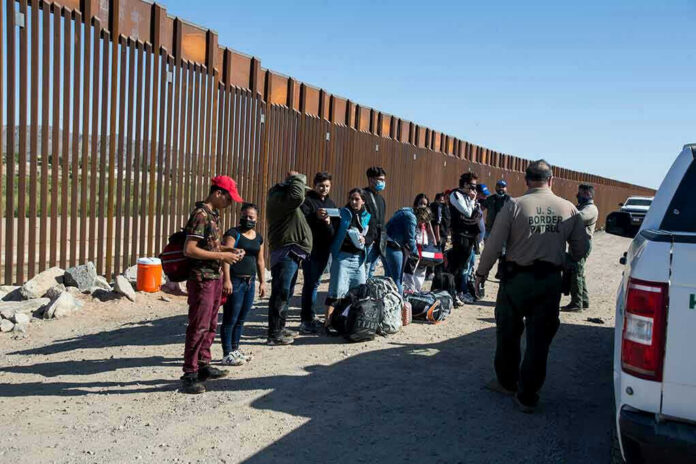
Trump tied Texas races to border control themes and cast Democrats as weak on enforcement. Texas Scorecard said he claimed that for 17 straight months, zero migrants were released into the country at the border during his administration, a point central to his case that Republican governance restores order. While supporters cheer the message, the data picture is complex, and immigration remains a proxy for public stress about safety, fairness, and who benefits from government decisions.
Democrats Center Affordability as Their Closing Argument
Texas Democrats used their convention and campaign stops to argue that the cost of living is squeezing families. They stressed groceries, gas, housing, health care, and everyday bills, and accused Republicans of favoring corporate interests over workers. The Democratic National Committee pushed a sharper line, saying Trump-era policies increased family costs and pointing to losses from tariffs and legislation, though these are advocacy claims rather than neutral estimates. Democratic Senate candidate James Talarico rolled out an economic plan framed around an “affordability crisis”.
Republicans acknowledged voter anxiety on costs while offering different cures. Governor Greg Abbott’s message focused on property tax relief, limits on local spending growth, and changes to housing rules that he says drive up prices. That split shows two paths for the same problem: Democrats want more direct relief and health protections; Republicans emphasize tax and regulatory changes. The shared thread is voter frustration that paychecks are not keeping up, and that policymaking seems tuned to the well connected.
Why Texas Keeps Hearing About the Border, Even as Costs Dominate
Polling from the University of Texas shows overwhelming Republican support for tougher border policies, including walls and criminal penalties, making immigration a reliable motivator inside the GOP coalition. At the same time, national polling summaries say immigration is not the top issue for many voters in 2026, with costs outranking it, even as Republicans retain an edge on border trust. That tension explains Trump’s bet: keep the base activated on border security while trying to reassure swing voters on prices.
🚨 TRUMP’S TEXAS RALLY REPEATEDLY DISRUPTED AS PROTESTERS REMOVED IN SAN ANTONIO
SAN ANTONIO, UNITED STATES – Protesters repeatedly broke the flow of the event, shifting attention from the campaign message to crowd management and security response. That matters because rallies… pic.twitter.com/AsNgtSeva5
— The Content Factory (@tcf_updates) October 8, 2026
Claims tying immigration to crime remain a flashpoint. Studies using Texas conviction data have found that undocumented immigrants have lower conviction rates than native-born Texans, which undercuts simple cause-and-effect assertions. Republicans answer that enforcement still matters for order and national sovereignty, and Texas polling shows many voters, especially Republicans, want more border action and spending. Voters on both sides see a deeper problem: they feel powerful interests shape policy while regular families carry the bill.
What This Means for Texans Who Feel Left Out
Trump’s rally and the Democrats’ affordability push point to the same audience: older voters worried about safety and prices, and younger families feeling locked out of the American Dream. Republicans argue tighter borders, lower taxes, and fewer rules will open paths to growth. Democrats argue targeted relief, health protections, and consumer safeguards will cut everyday costs. Both parties claim to fight for working people. Many Texans now judge them by results, not rallies or talking points.
Sources:
youtube.com, nytimes.com, couriertexas.com, ksat.com, texastribune.org, yahoo.com, fox7austin.com, brookings.edu, krgv.com, nbcdfw.com, static1.1.sqspcdn.com
© unitedfrontnews.com 2026. All rights reserved.