
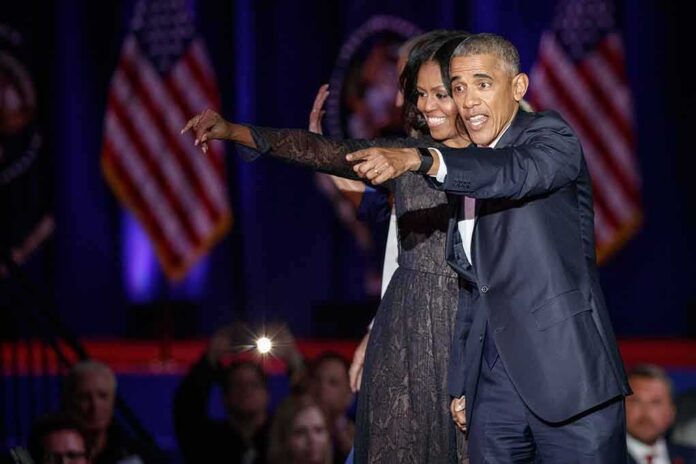
Democrats are bringing back Barack Obama to jolt turnout in Michigan on the first day of early voting.
Story Snapshot
- Obama will headline a Detroit rally with Abdul El-Sayed and Jocelyn Benson on October 24.
- The event is timed to Michigan’s first day of early in-person voting to boost turnout.
- Obama has also recorded ads for two dozen midterm campaigns this cycle.
- Both parties often use famous surrogates, though effects on votes are usually small or mixed.
What Is Scheduled In Michigan
The Michigan Democratic Party says Barack Obama will travel to Detroit on October 24 for a campaign rally with United States Senate nominee Abdul El-Sayed and Secretary of State Jocelyn Benson. The party frames the visit as a push to “rally voters” for Democrats up and down the ballot. The event is set for the same day statewide early in-person voting begins. That timing shows a clear turnout goal, not just press attention.
Local outlets and policy sites confirm the same date, cast, and purpose. Reporting places Obama with El-Sayed and Benson in Detroit as early voting opens, which is a key signal to party loyalists and low-propensity voters. The appearance comes four weeks before Election Day. That window is when campaigns try to bank votes and focus field staff on late deciders and ballot cure operations in large counties.
How The Move Fits A Larger Strategy
Politico reports Obama has cut recorded ads for 24 Senate and governor campaigns this season, suggesting the Michigan rally is part of a broader midterm plan, not a one-off stop. Bloomberg coverage frames Michigan as a top-tier fight, with both Obama and President Trump set to appear in the state to lift their parties in the final stretch. That shows each side believes turnout surges, not just persuasion, could decide close statewide races.
National and state reporting describes a standard pattern in modern politics: parties deploy well-known figures to draw crowds, raise money, and signal unity. Research and past cycles suggest these visits can help with energy and media coverage. The direct vote impact is often limited or varies by setting. Campaigns still value the visibility and the ability to motivate people who already lean their way to actually cast a ballot before lines and life get in the way.
Why Michigan, Why Now
Michigan has large blocs of voters in and around Detroit who can swing statewide margins when turnout rises. Democrats are pairing Obama with El-Sayed after a tough primary, which can help heal party divisions and bring activists, union members, and suburban voters under one tent. Early voting also lets campaigns turn energy into banked votes the same day. That shortens the to-do list for field staff and frees resources to chase remaining ballots later.
For readers across the spectrum, the move highlights a shared concern. Parties still lean on star power while many families worry about prices, wages, public safety, and trust in government. Voters often say they want concrete plans, not rallies. Yet rallies can serve as organizing hubs to register voters, explain ballot rules, and recruit volunteers. The Obama stop aims to do exactly that: convert attention into turnout, and turnout into wins in close races.
What History And Research Suggest
Studies on endorsements show mixed results. Some high-profile cases boosted turnout or donations, while many others had small or uncertain effects. Analysts often find that surrogates work best to energize people already leaning toward a campaign rather than to flip opponents. That view squares with how both parties now use famous visitors late in the cycle: as closers who mobilize known supporters and shape a couple days of news coverage.
Bottom line for Michigan: the facts are clear. Obama will rally with El-Sayed and Benson on October 24 in Detroit, aligned with the first day of early voting. He has also recorded ads for many races this fall. Democrats want to bank votes early and show unity. Republicans will answer with their own surrogates. The contest may hinge less on speeches and more on who turns out reliable voters the fastest.
Sources:
pbs.org, x.com, newsweek.com, washingtonpost.com, bloomberg.com
© unitedfrontnews.com 2026. All rights reserved.